Articles
Most guides to turning a spreadsheet into an app start with the tool. But a workbook your business depends on is an undocumented process. Map who enters what, which tabs are workflow steps, which formulas are business rules, and which colors are status flags, then choose between cleaning up the sheet, a no-code app, a database, or custom software.
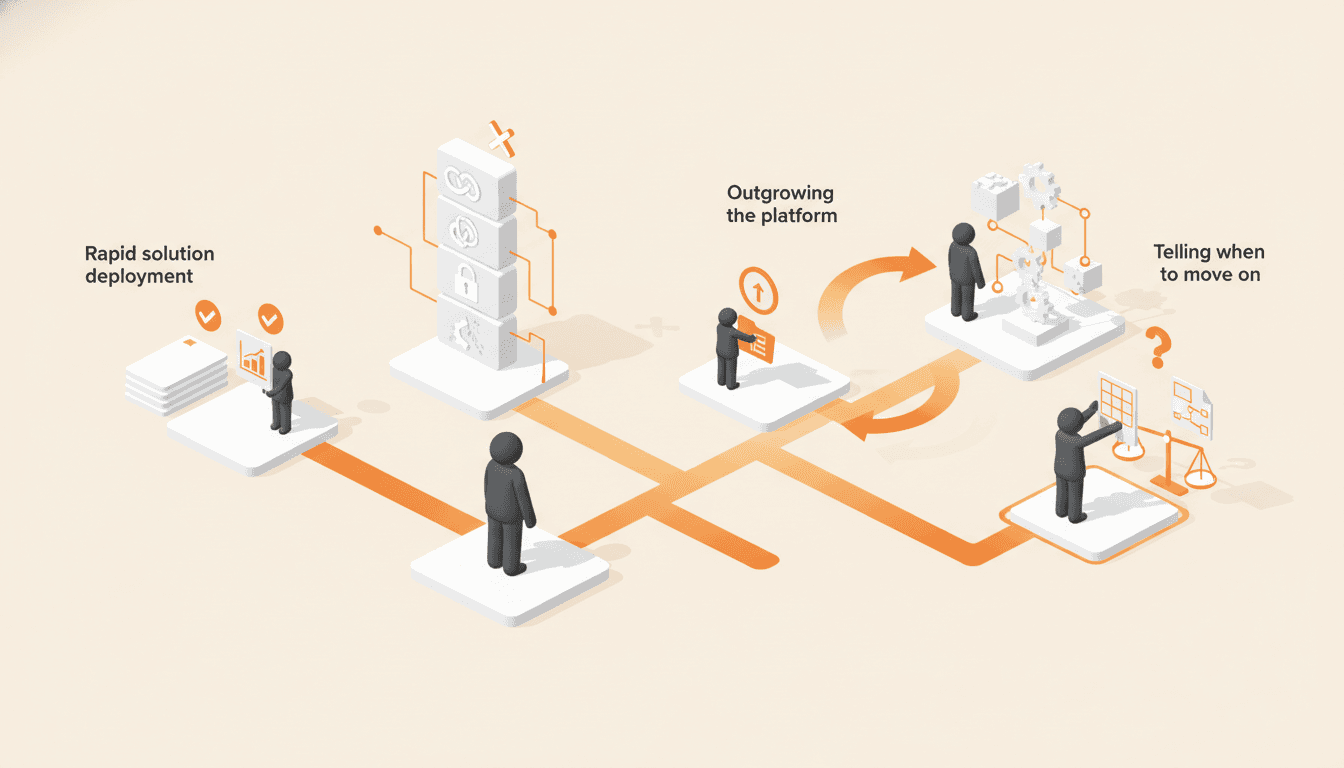
No-code tools put a working internal app in an operator's hands in days. Here is what they genuinely solve, the four walls every low-code build eventually hits, and how to tell when a workflow has outgrown the platform it lives on.
Nobody trusts the reports, so everybody keeps a private spreadsheet. Cleaning the file is not the fix: the fix is repairing the four things that break the data in the first place.
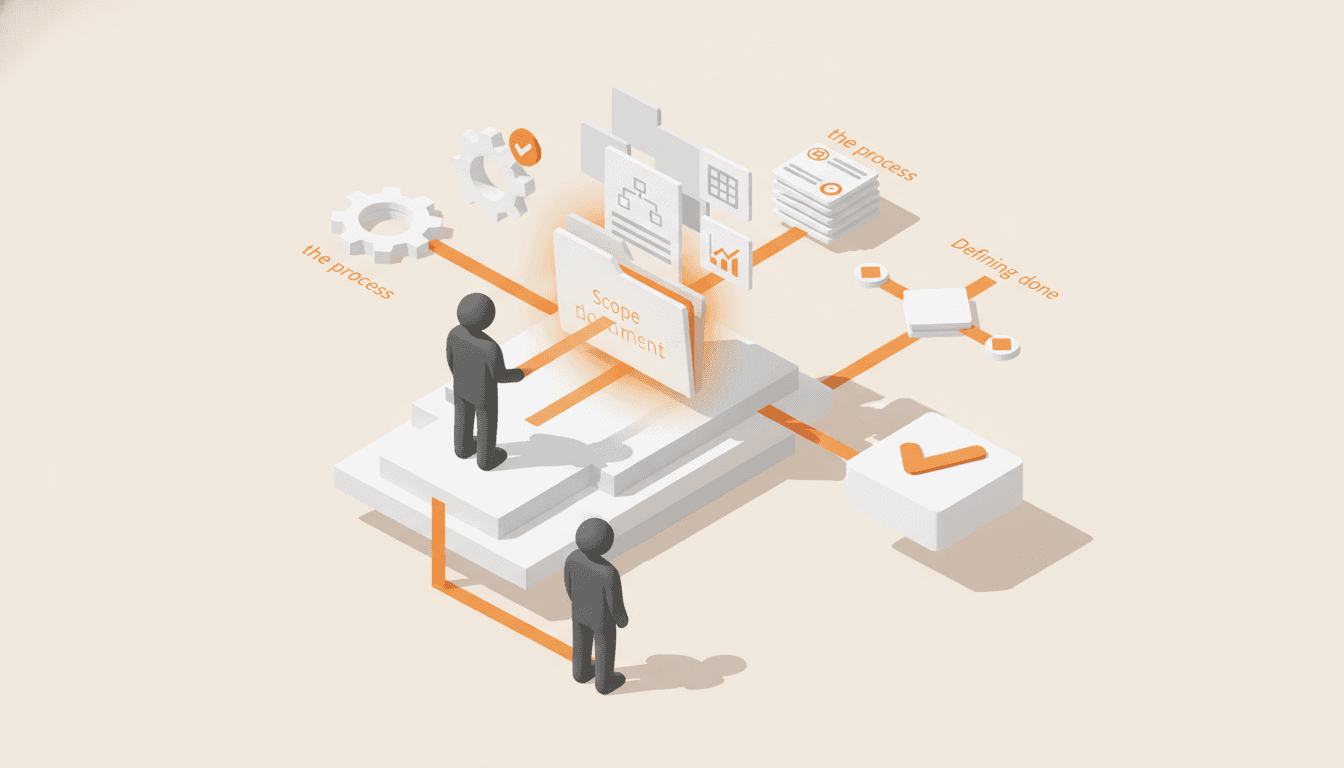
A developer builds exactly what you describe, so the scope document is the whole game. Here is what belongs in it: the process as it really runs, every record, the decision rules, and one paragraph defining done.
Most small businesses should keep renting their CRM. Here are the four fights that mean yours no longer fits, what a build really costs, and the five questions that decide it.
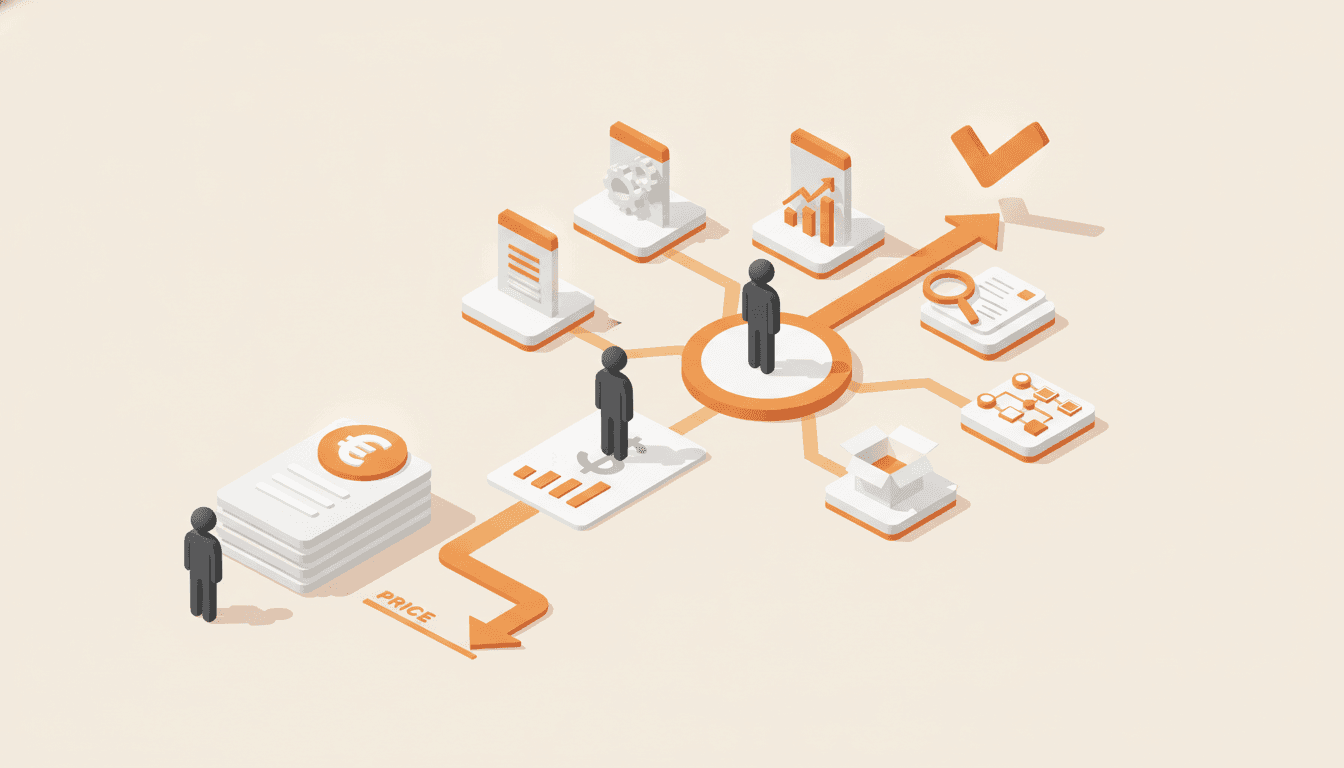
Custom software has fallen far enough in price that small businesses can seriously consider it. Here is what actually sets the number, one real $61,000 quote, and the five questions that decide whether to build at all.
Two different things share the name. One is a management framework like EOS, and the other is one app, on one database, where every step can see the step before it.
A dozen subscriptions, each bought for a good reason, and nobody owning the seams between them. The subscription total is not what SaaS sprawl costs you: the re-keying is.
AI has dropped the cost and time of building custom business apps so far that a small company can now afford to build one around its single most painful workflow, instead of renting a stack of half-fitting subscriptions.
Off-the-shelf software is right for standard problems. You have outgrown it once your team is quietly rebuilding the real work in spreadsheets and workarounds, and the fix is to map your process before you buy a bigger plan.
Renting software is fast and low commitment but builds no equity, while AI has made owning a custom app realistic for small businesses. Own the workflows that are core to how you make money, and rent the commodity tools everyone else uses too.
AI-assisted development dropped the cost of custom software, so the old rule of always buying off-the-shelf no longer holds automatically. Here is how to tell which side of the build vs buy line you are on, and why you never build on a broken process.