Articles
New hires skim page one and start working, so training documentation has to survive that: gated depth, the why layer, and a job aid at the desk.
Extra work that gets settled at closeout always settles low. Here is the change order process that prices and approves the work before anyone lifts a tool.
An outside sales role looks like pure personality until you write it at the right grain. Here is how to capture the route, the visit window, the sentence that wins referrals, and the small rules nobody ever said out loud.
Most expert interviews produce a tidy document describing a job nobody actually does. Here is the interview method we use with clients: benchmark first, practitioner over manager, frustration as data, and the real work recorded on a screen share.
Five safety SOP examples from real field and service crews: the daily hazard check, incident reporting, equipment inspection, return to work, and the safety meeting that is not a lecture.
A structured way to find out whose head your business lives in. Score every role on who holds what and how replaceable it is, then document in order of damage.
Five real accounting SOP examples, from the weekly payables run to month-end close, with a copyable skeleton for each and the leak it plugs.
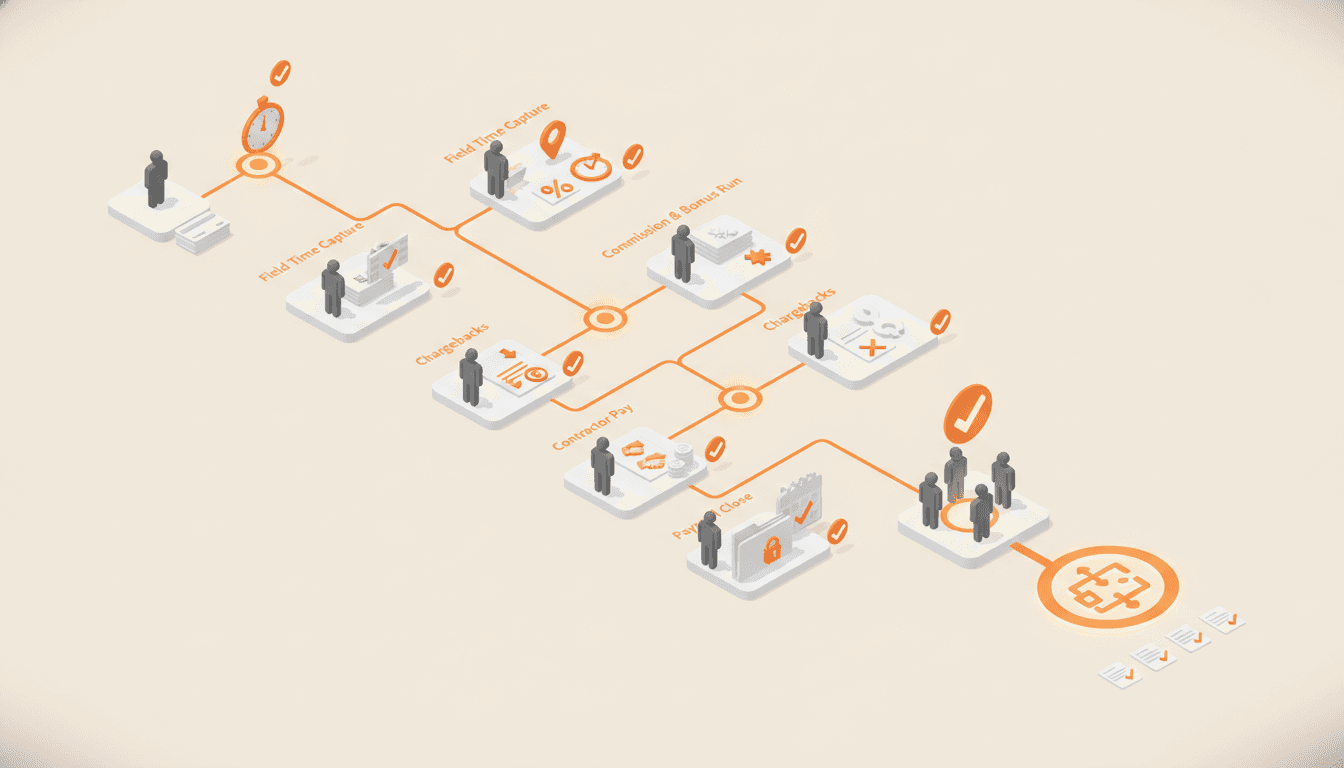
Five payroll SOP examples from real documentation work: field time capture, the commission and bonus run, chargebacks, contractor pay, and the payroll close.
A work instruction is the click-by-click layer underneath an SOP. Here is where it sits in the stack, what belongs in one, and why fusing the two makes your documentation go stale.
Five real sales SOP examples, from lead intake to the operations handoff, each built from documentation work with real sales teams. Copy the skeleton and write your first one this week.
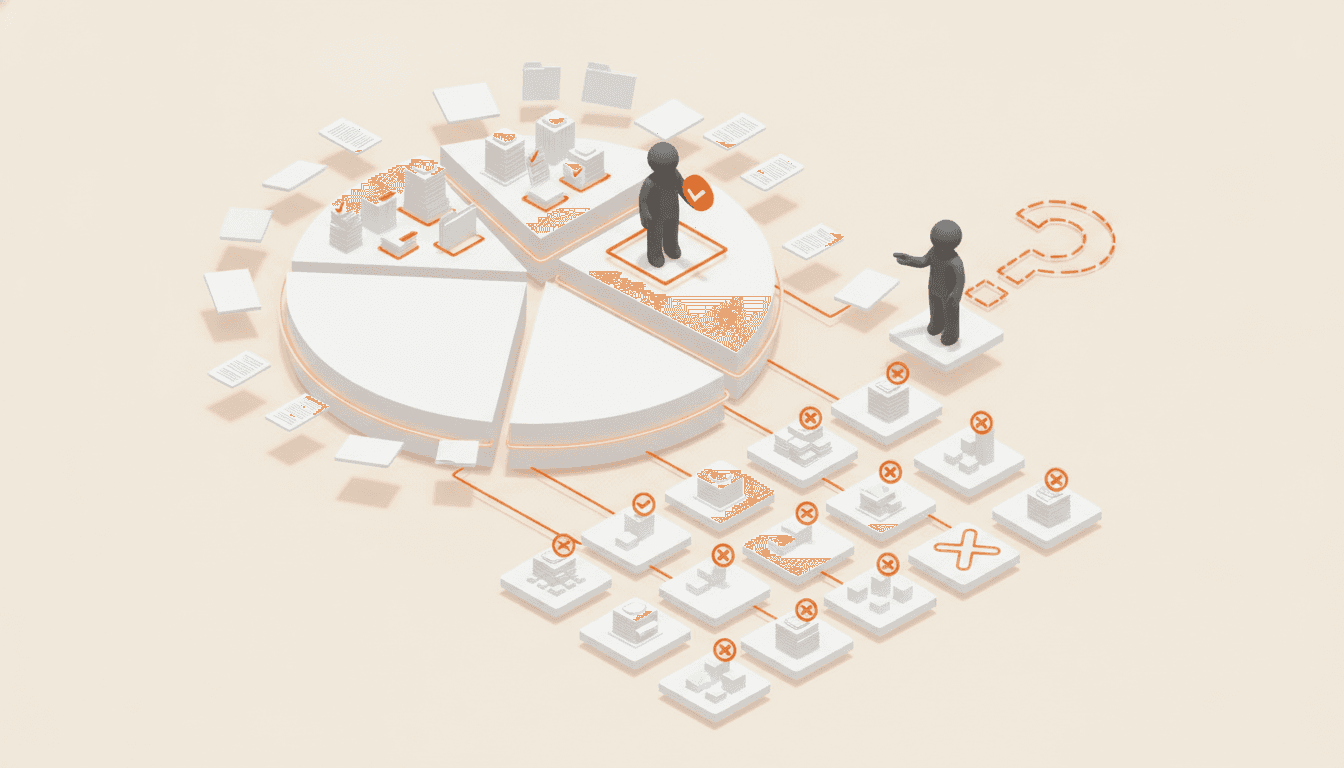
We measured 16 businesses across 68 roles and 461 process areas. The average was 27% documented, half the role areas had nothing at all, and the gaps were almost never where the owner expected them.
A client onboarding SOP that runs from the last sales call to day 90: the expectations email, the handoff document sales owes delivery, the booked kickoff, and the update cadence that prevents invoice shock.
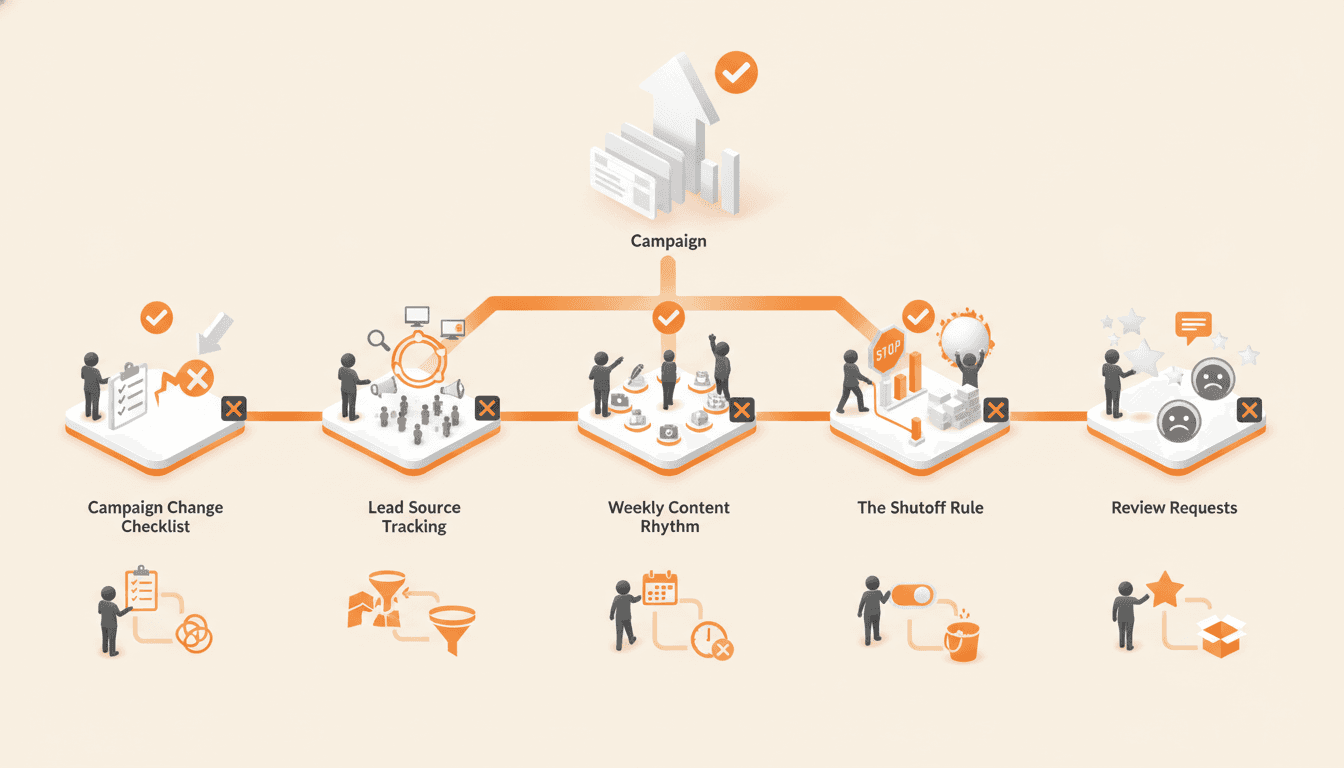
Five marketing SOP examples you can copy: the campaign change checklist, lead source tracking, a weekly content rhythm, the shutoff rule, and review requests. Each one comes with a skeleton and the failure it prevents.
A scheduling SOP is a chain of deadlines, not a spreadsheet. Here is how to write the one that covers requests, the build window, publishing, coverage rules, and the 5am call out.
Almost every company runs an exit interview, and almost none of them ask about the work. Here is the other meeting: booked in the first 48 hours after notice, recorded, and aimed at the processes that leave with the person.
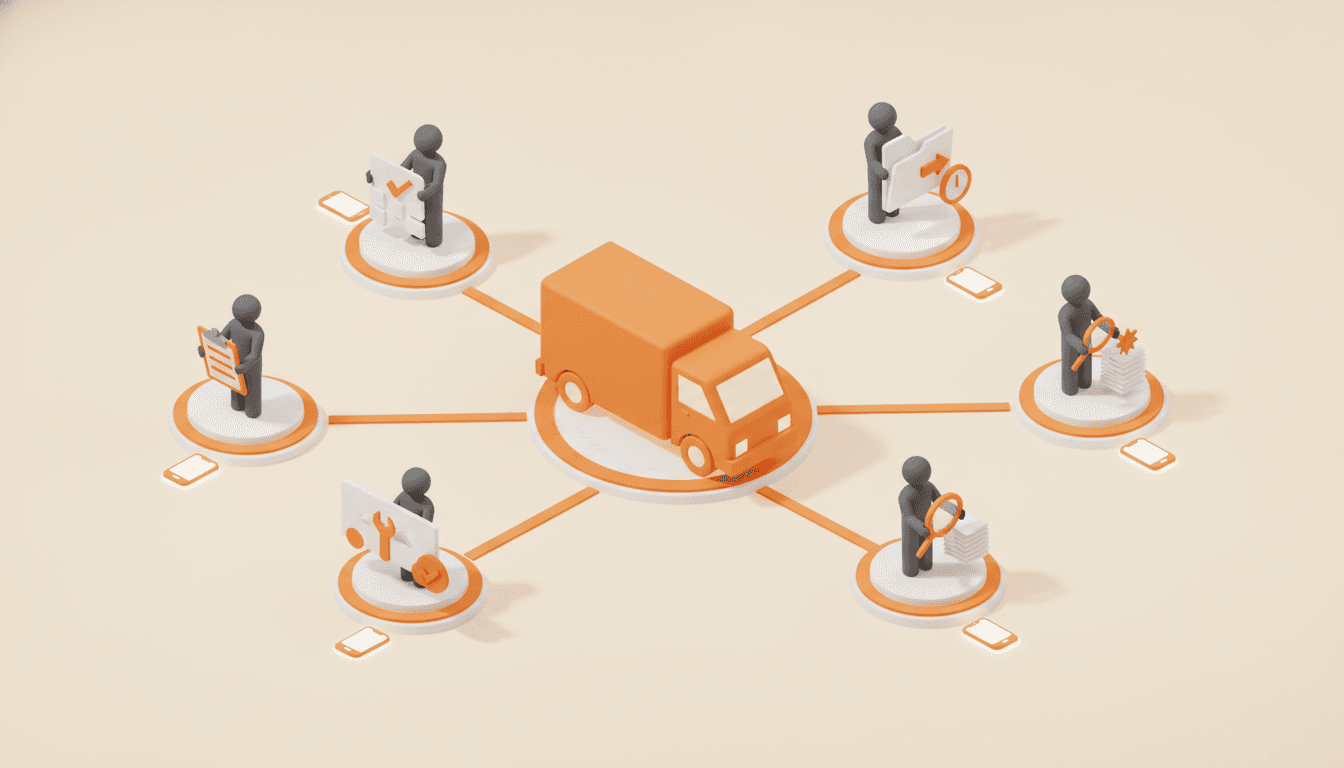
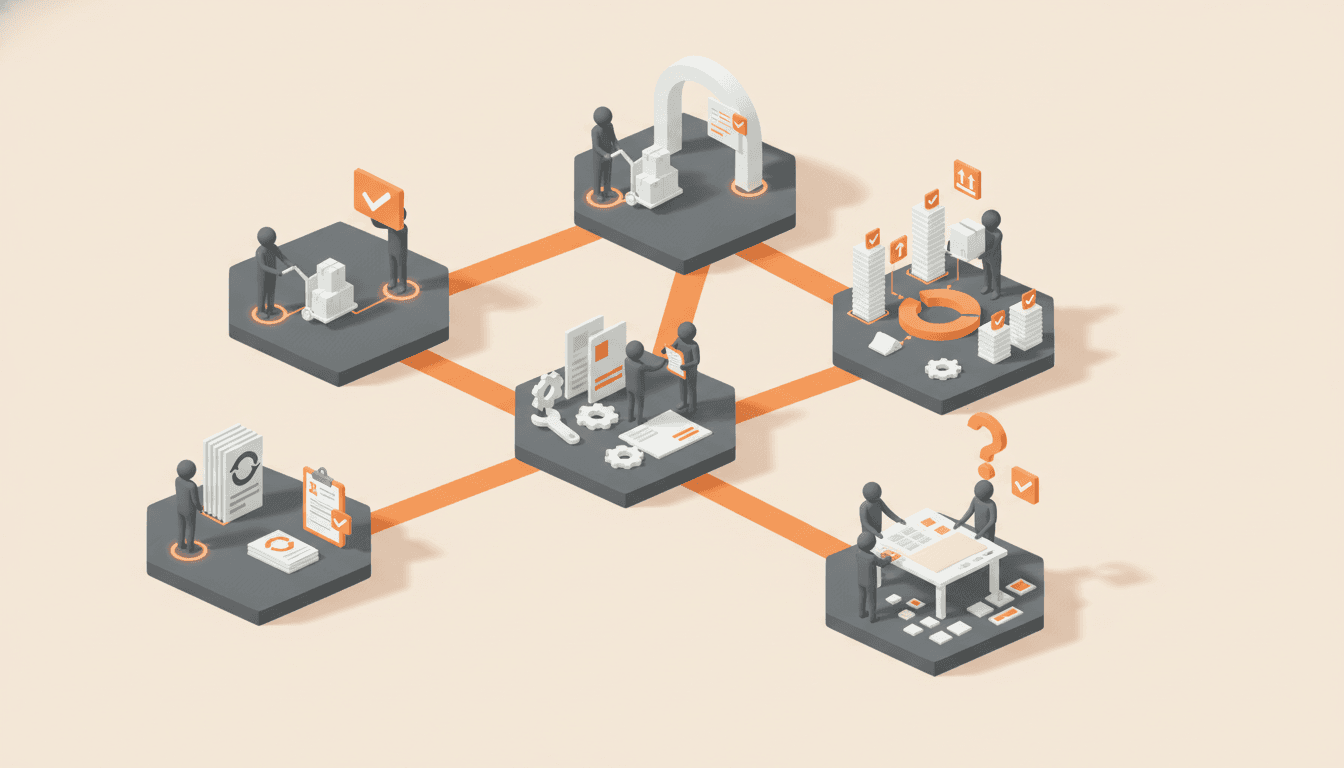
Five field operations SOP examples from real crews: job closeout, dispatch handoff, time capture, vehicle checks, and on-site quality, each written to be finished on a phone in a driveway.
A quote is the only record most jobs ever get, so it has to carry more than a price. Here are the eight sections a quote should include, and why the exclusions line saves more money than the markup.
Your best person does the job perfectly and describes it terribly. Here is how to document a process from an expert who cannot explain it: record the work, ask why, and let a newcomer catch the invisible steps.
Most documentation libraries stall on a question nobody says out loud: who is allowed to change this. Name one owner per document, split editing from publishing, and the standoff ends.
Handing your team a login and a recording tool does not produce documentation. A standing session on the calendar does, and here is how to run it.
The fastest way to ruin a training video is to film the first conversation you ever have with the expert. Map the process in one session, film it a week later, and let the week in between do work neither interview can.
Most knowledge transfer plans get written in the two weeks after a resignation letter. Here is the version you build while you still have runway: ranked by damage, recorded from the real work, proven by a solo run.
Two people follow the same SOP and only one gets it right. The difference is a short list of unwritten principles, and a wisdom interview is how you capture them before they walk out the door.
Three copies of the same process, and nobody sure which one is current, is a filing problem rather than a writing problem. Here is the header, the numbering, the approval step, and the archive rule that keep exactly one copy live.
Five inventory SOP examples you can copy, covering the standing order day, receiving, job materials, cycle counts, and supply requests, plus how to write your own.
Five customer service SOP examples from real service businesses, covering the whole arc from the first inbound call to the escalated case nobody wants to improvise.
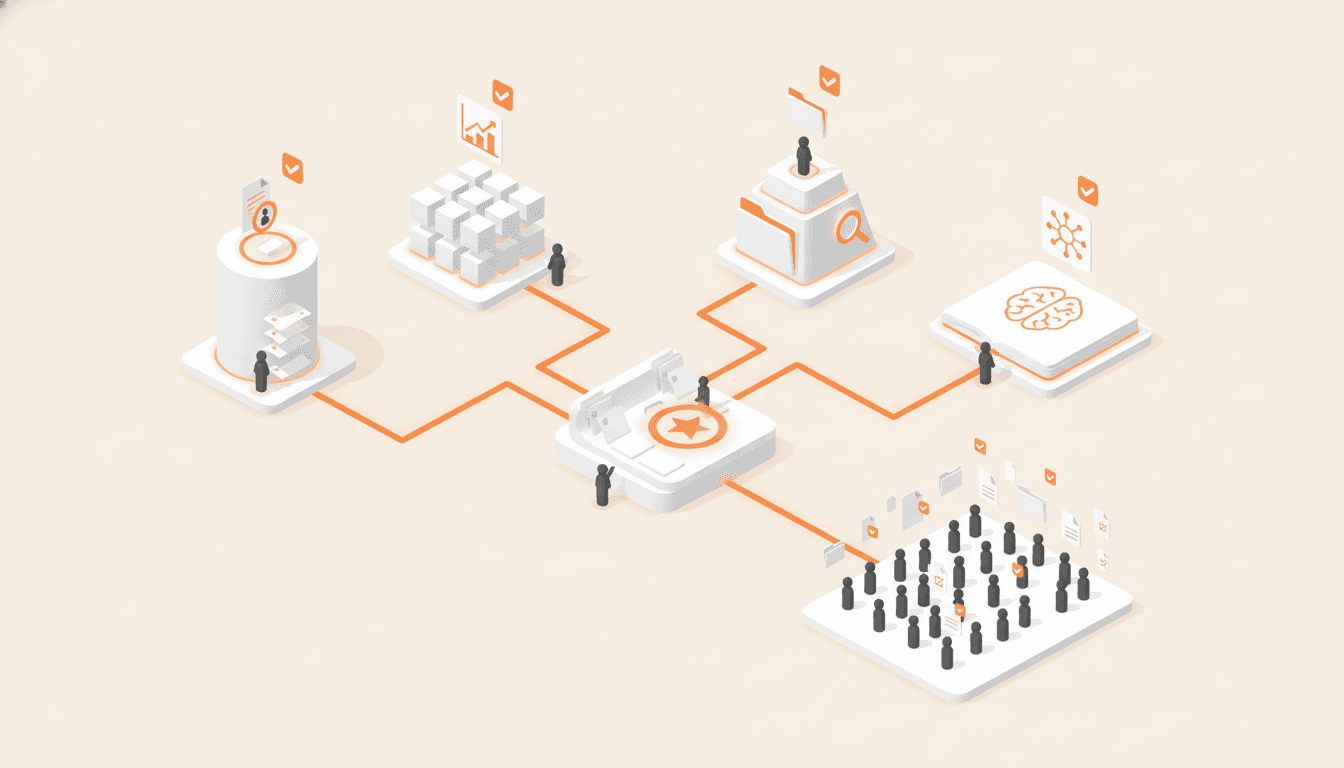
Knowledge management at 40 people is not a software purchase. It is four kinds of knowledge, one home for each, an owner on every document, and an index you build before you write anything new.
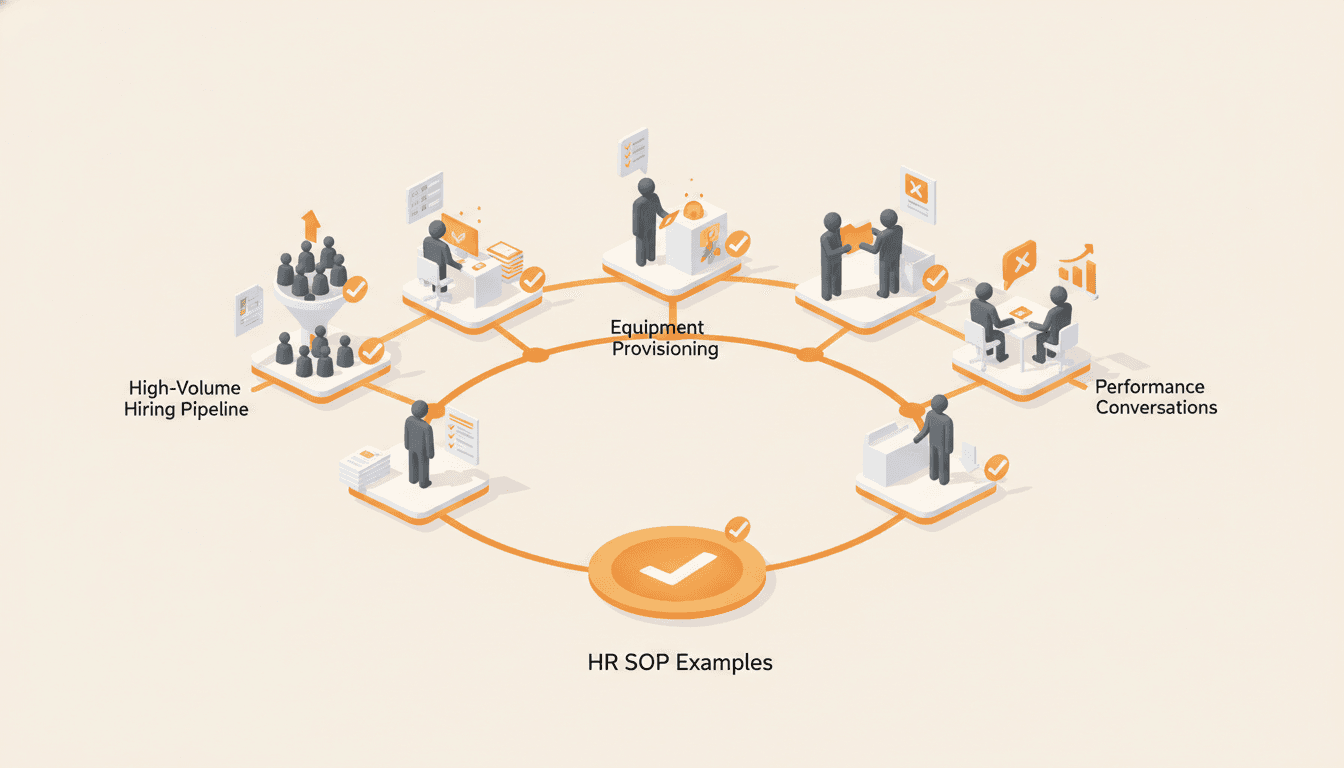
Five real HR SOP examples from small businesses: a high-volume hiring pipeline, day-one setup, equipment provisioning, the exit handoff, and performance conversations that actually happen.
Five AR procedures built from real businesses, plus the decision points that make them work: when is a payment real, who closes a job, and when does a reminder become a call.
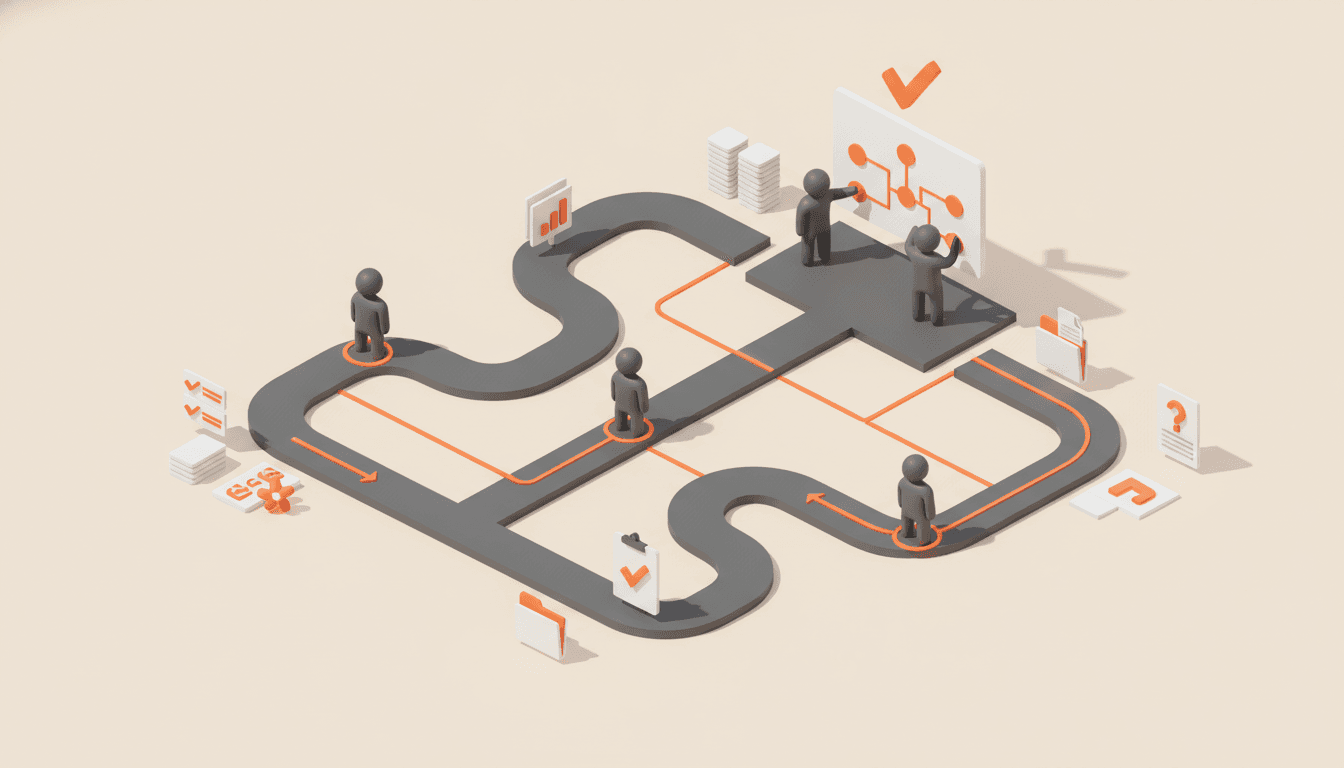
Most SOPs capture the steps and skip the forks. Here is how to find the moments where the right answer depends on context, and how to write them down so two people make the same call.
Tribal knowledge is the operating know-how that lives in your team's heads and nowhere else. Here is where it hides, what it costs while everyone is still employed, and how to convert it into something the business owns.
Undocumented processes are the tasks that live only in someone's memory. Here is the three-part danger test that ranks them by real risk, and how to capture the worst ones first.
A core process, an SOP, and a checklist are three layers of the same process, not three competing documents. Here is what each layer holds, who reads it, and how they stack.
A sales playbook is the single documented system your team sells from, from the first touch to the closed deal. Here are the eight components to include and the six-step method for building one your reps actually open.
The five-step method we run with clients to build a business playbook people actually use. The last two steps, hosting and maintenance, decide whether it gets opened.
A business playbook is the documented operating system of your company: every role, process, decision rule, and handoff gathered into one place. Here is what belongs in one, what a good one looks like, and how it differs from a plan or a single SOP.
A decision framework for choosing between an internal coordinator, a consultant, SOP software, or a done-for-you partner, based on which of three jobs (extract, build, adopt) your business is weakest at.
You do not organize your way out of years of accumulated training documents. You triage them into keep, rebuild, and kill, then rebuild the few processes that would hurt most to lose.
When a key employee will not document their work, the problem is usually that writing is a second unpaid job, not defiance. Here is how to capture the knowledge by recording instead of assigning, so the expert's only task is correcting a draft.
Three complete, genericized SOP examples spanning sales, finance, and client services, showing the seven-part skeleton every good SOP shares and how to adapt it to your own business.
A fillable SOP template built on the seven-part format real procedures follow: title, metadata, Why This Matters, the trigger, steps, Done, and edge cases. Copy it, fill it in for one task, and you have a usable SOP in under an hour.
Procedures go stale the moment a rule change is spoken instead of written into the one document your team trusts. Here is the four-part change loop that keeps SOPs current when your processes change often.
An SOP is a written, repeatable set of steps for doing one task the same way every time. This guide gives you the five-step method, a copy and paste template, and the quality check that proves it works.
SOPs capture the steps of a job but miss the judgment and instinct that live only in an experienced employee's head. Here is how to get that tribal knowledge on record with short video interviews before your expert retires.
Most small businesses try to document everything at once and finish nothing. These five SOPs (onboarding, sales, service delivery, customer service, and hiring) control roughly 80% of what breaks when a business tries to grow.
A 10-minute narrated screen recording already holds the steps, the reasoning, the screenshots, and the edge cases an SOP needs. Here is the seven-step pipeline that turns it into a finished document in about 45 minutes.
Record your screen, let the tool transcribe it, then shape the transcript into steps. The record, transcribe, and document workflow gets a usable SOP out of a non-writer in about 30 minutes instead of three hours.
You do not need long written documents to document business processes; a process map, a short screen recording, an auto-generated transcript, and an SOP platform can replace the blank page entirely.
The Show or Tell Test decides which format leads: video wins for anything that has to be seen on a screen, written wins for policy and quick reference, and combining both into one interactive resource is what actually gets used.
SOPs collect dust when the culture doesn't believe in them and when the wrong person wrote them, not because of formatting. The fix is building documentation with the people who do the work, then backing it into real training and a review cadence.