Articles
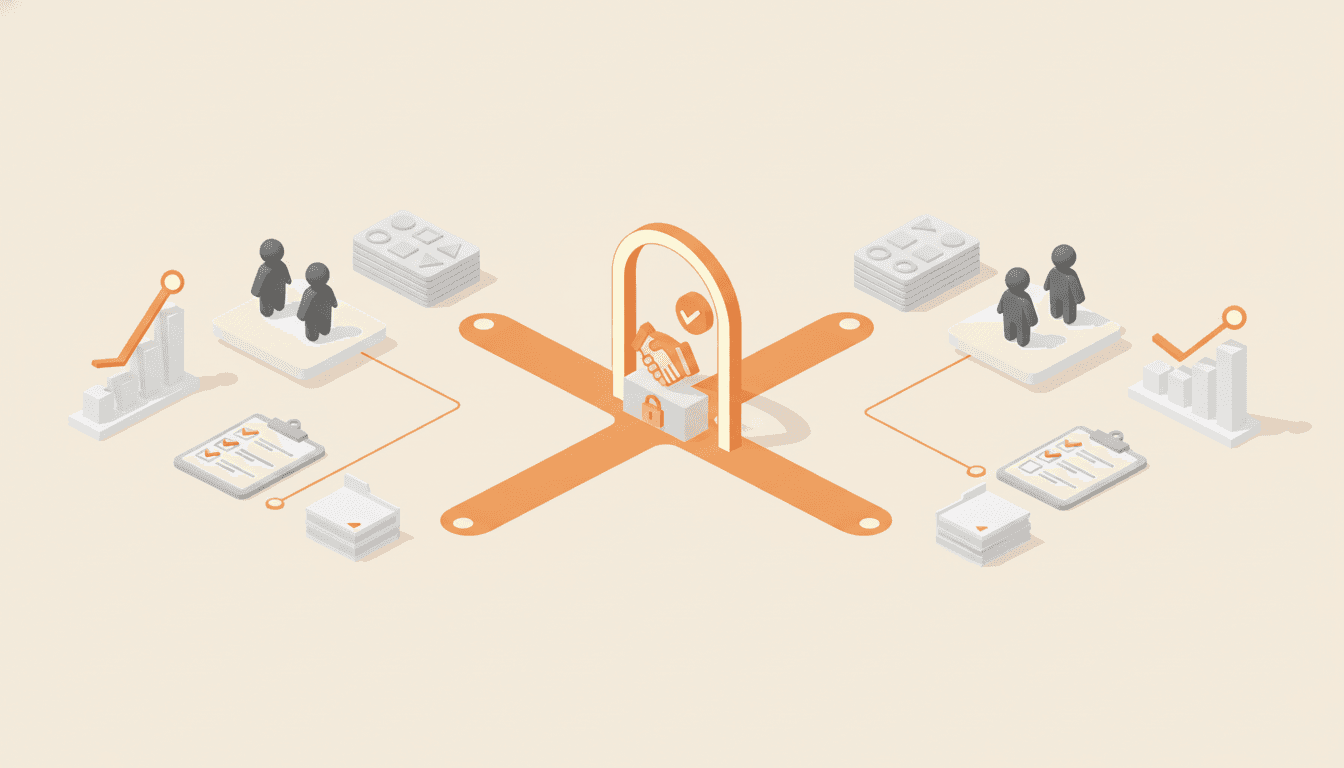
A second location does not fix a weak process, it runs a second copy of it. Here is what to document, who to train, and which numbers to check before you sign anything.
Most three-shop owners assume systemization starts with a broken process, and it usually does not. Here is what to document first, how long each document should run, and how to do it without insulting the people you promoted.
Every franchise location drifts into its own way of working. Here is how to standardize from a model store without killing the details your teams love.
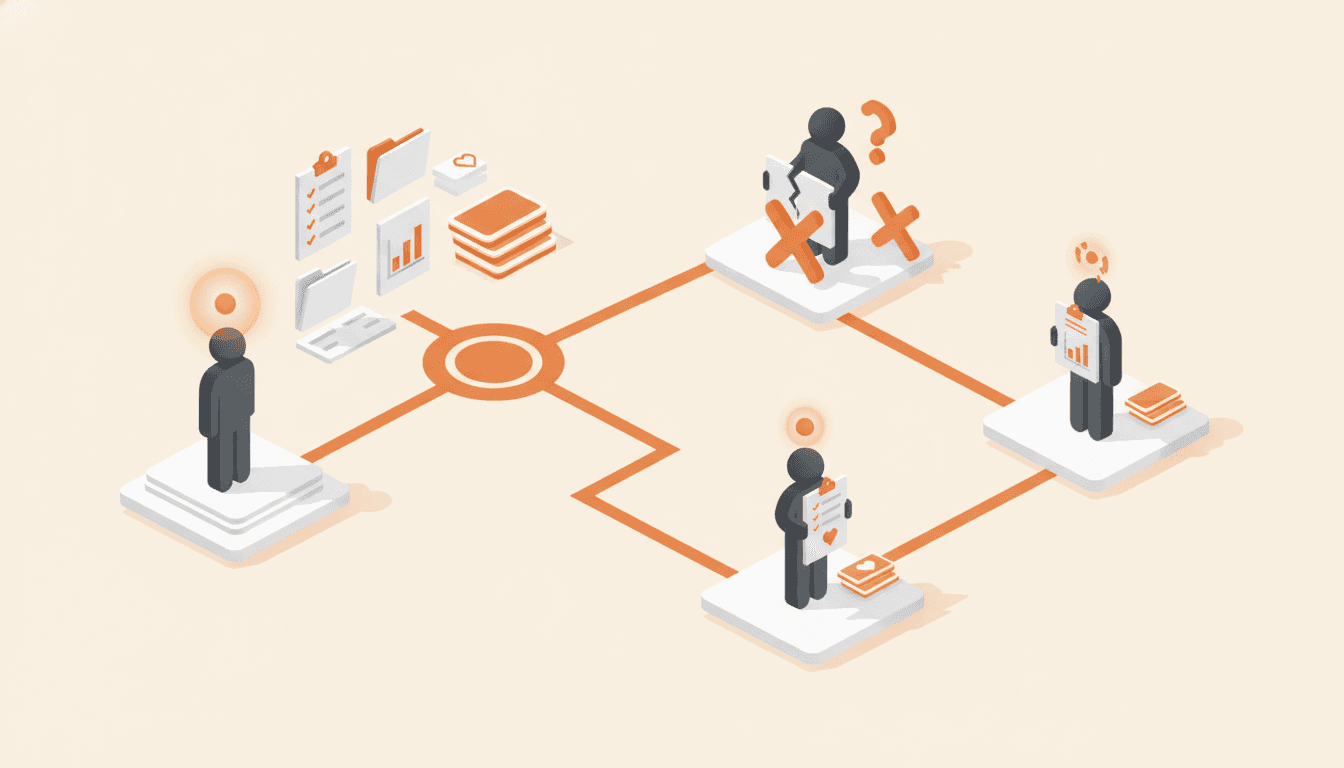
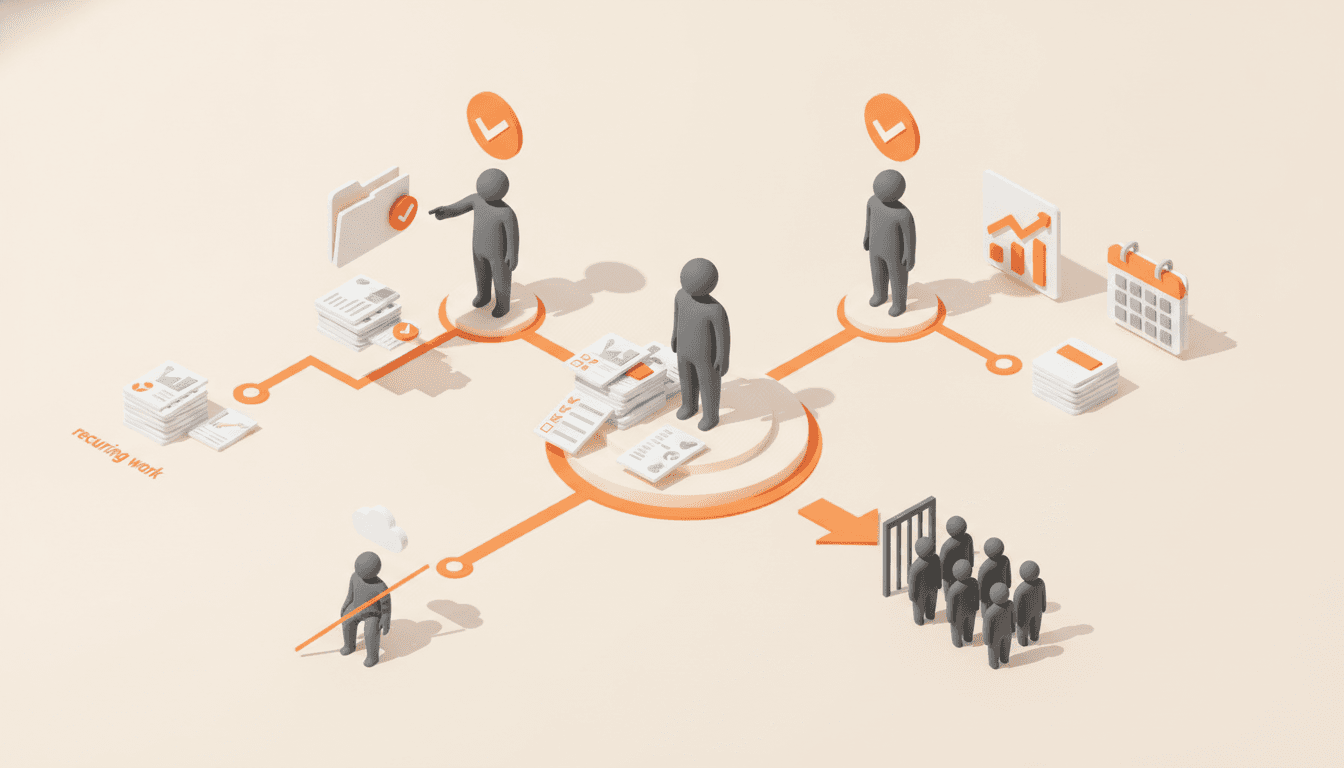
Hire an operations manager when decisions queue on you daily and recurring work has no owner, not when you are tired. Here is how to define the seat, what to document first, and how to judge the hire at 90 days.
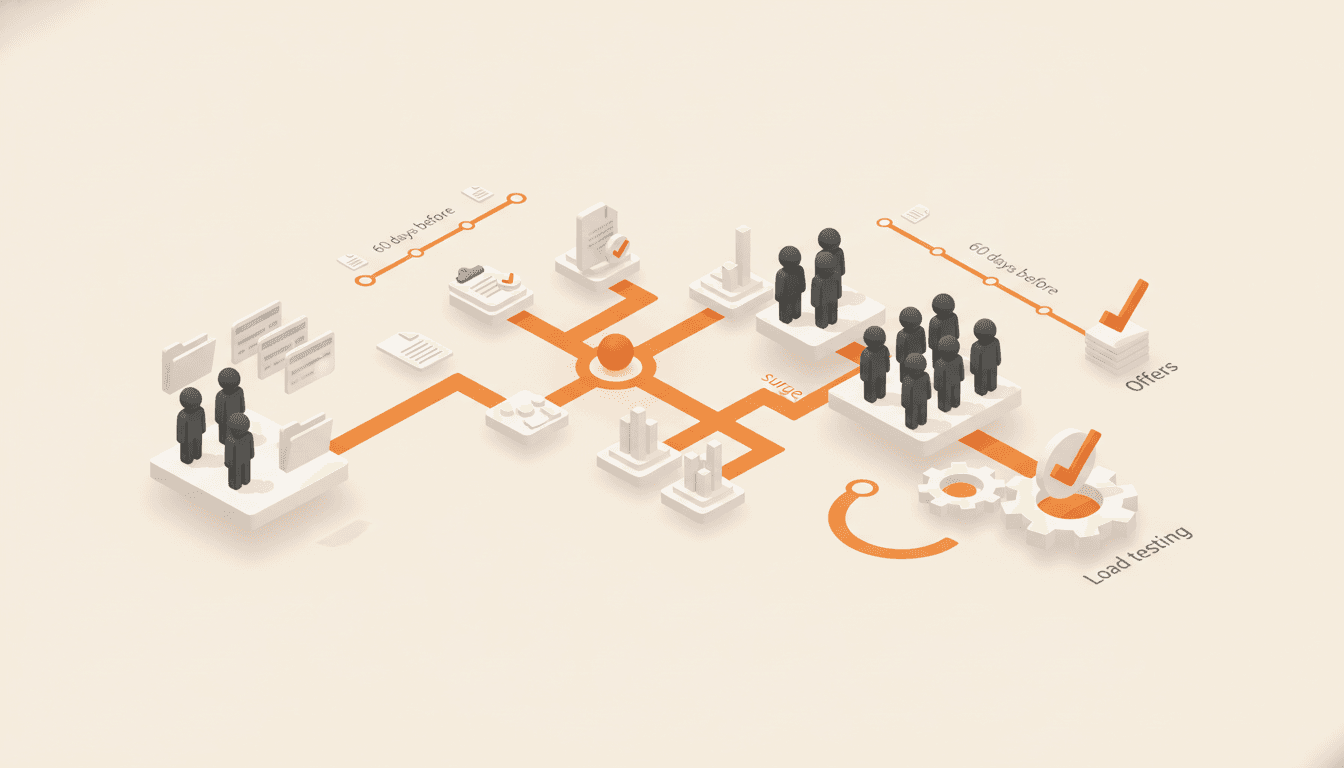
A hiring surge does not create process, it load tests the process you already have. Here is what to document in the 60 days before the offers go out, and the sequencing rule that keeps fast hiring from undoing a year of work.
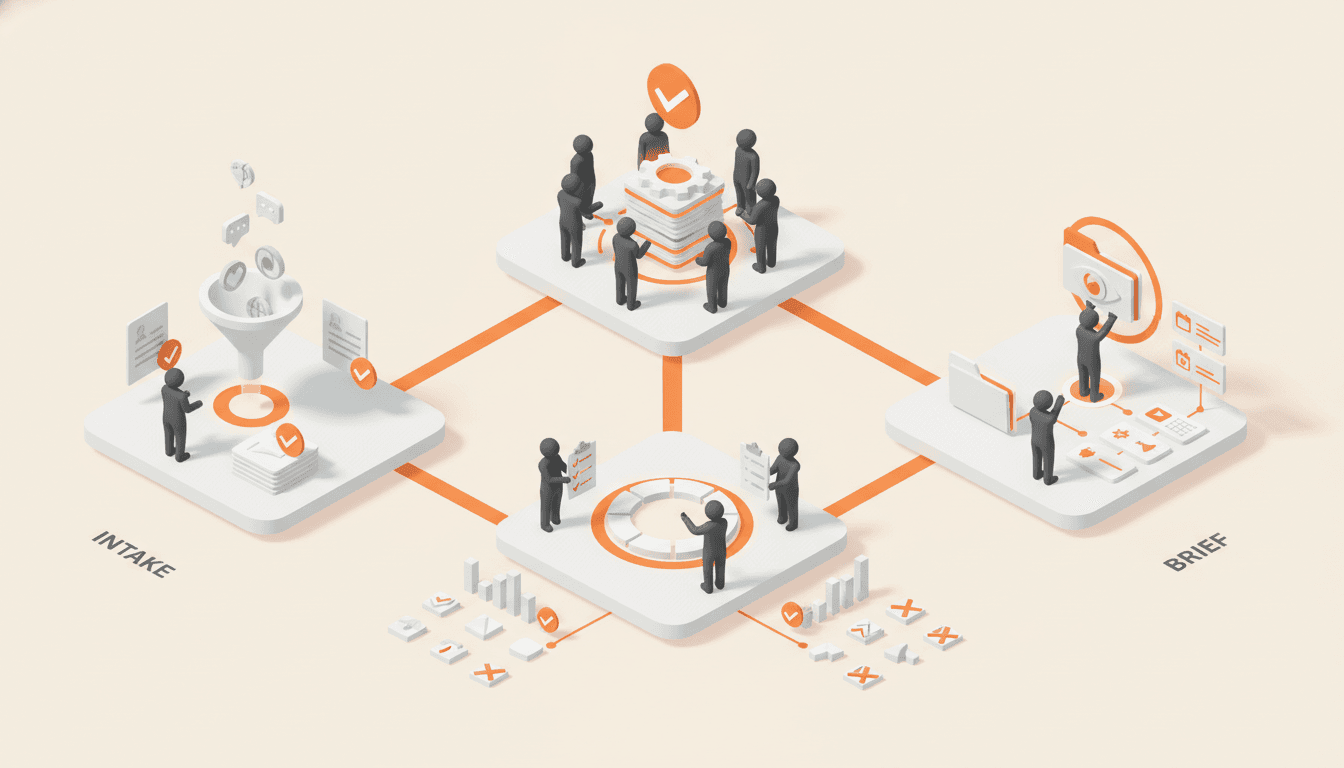
In most social agencies every role is welded to a client except design. Here is how to systemize a social media agency by fixing the three artifacts that move client context between people: intake, the scope rule, and the brief.
Agencies hit a growth ceiling because delivery lives in founders' and seniors' heads, not because they lack hands. Productize the delivery work and the team you already have can carry more clients at the same quality.
In most owner-led businesses the marketing bottleneck is not too few marketers, it is that every post and campaign gets rebuilt from a blank page and routed through the owner. Here is the four-lever framework for scaling output without adding a salary.
Growth multiplies whatever system already sits underneath a business, so scaling on chaos just produces faster chaos. Here are the six systems for scaling a business, built in order, so you can grow without staying the bottleneck.
Home service companies keep the back office flat while the field doubles by moving payroll, dispatch, and paperwork onto one system of record instead of hiring admins to absorb manual work. Here is the playbook, and the three-day weekly payroll reconciliation it made disappear.
Most service businesses can carry more volume without adding staff by removing the recurring waste and owner bottlenecks that make hiring feel necessary. This is the five-step method for finding and fixing those bottlenecks, plus the moment when hiring really is the right call.
Volume amplifies whatever waste or owner-dependence already exists, so scaling before the foundation is ready breaks your own operations. Here are the four systems to build first and the capacity math that tells you whether you are ready to grow.
Scaling through systems instead of headcount means documenting processes to cut hidden waste, automating what shouldn't require a human, and hiring only once the system itself is maxed. Done in that order, revenue per employee climbs instead of flat-lining.