
Process & Systems Fundamentals
How to Systemize a Coaching Business (So Clients Actually Implement)
By Derek Coffey · August 29, 2026
To systemize a coaching business, document the offer before the calls, package the material by the role that has to use it, give every video exactly one home, and build the install into the product instead of leaving it to the buyer. Coaching businesses rarely fail on delivery. They fail at the last inch, where somebody who paid for the system never puts it in.
The Coach's Problem Is Not Delivery, It Is Implementation
Your calls are good. Your material is good. The failure mode gets named plainly on coaching businesses' own calls: content buyers who never implement.
We have watched it from the buyer's side. A company paid five figures to have its operation documented in a training platform, and the team never opened it. Two years later the owner hired consultants again with one condition: no more work nobody uses.
Content a buyer did not help build is content the buyer never quite believes is theirs.
This is a different disease from the one in a consulting firm where the founder is the product. Your delivery already scales. What does not scale is the moment your material meets somebody else's business.
How Do You Systemize a Coaching Business? Document the Offer Before the Calls
Start with what you sell, not how you teach it. Coaching calls vary on purpose, which makes them the wrong thing to standardize first. The offer must never vary, and it usually lives in the founder's head.
Three documents come before any curriculum: what the buyer gets, tier by tier; what they do not get; and what they have to do, with hours and people named.
Skip that and it returns as an invoice fight. One client agreed on scope, took delivery on two roles, then balked at the bill because nobody had anchored the price per role.
Write down what the buyer gets, what they do not get, and what they must do, before you record a single module.
Sale first, delivery second, is the same order that works when systemizing any service business. Coaching is a service business with an audience attached.
Package by Role, Not by Module
A founder of a builder coaching company asked it out loud: would people just buy the one SOP for one role, or would they buy the whole package? His pricing had answered already. He sells role-based SOP packages as one bundle, priced just under 3,000 dollars at the time.
The bundle is the right thing to sell. It is the wrong thing to deliver at once.
Package by role because the role is the unit a buyer's company can absorb. A builder does not install a company. He installs a project manager, then a site super. Modules numbered week one and week two are organized around your calendar, not their org chart.
Sell the bundle, sequence the install one role per month, and make the sequence part of what they bought.
Name somebody inside the client's company to own each role before you hand it over, because who actually builds and owns the SOPs decides whether they survive the first month.
Where Do the Videos Live? Answer It Once
The same founder asked the question that quietly decides your architecture: where do these videos live, on the website where the download is, or inside the SOP itself? Answer it once: inside the document, at the step it explains.
A video on your marketing site is a sales asset. A video at the step where somebody is stuck is a training asset. The website hosts the sample. The platform hosts the system, organized by role, with completion tracking.
Then gate the depth. The common complaint from a client's team is that the thing is too complicated, and the fix is never a longer demo. Train the primary functions, put the must-read at the top, and hide the rest behind linked files. That gating is most of what separates training documentation people use from documentation they skim.
One home per asset. If a video exists in two places, one of them is already out of date.
Build the Free Sample That Proves the Paid Thing
Free-sample funnels built off social content work here, as long as the sample is a working piece of the paid system rather than a preview. Give away one complete role, not the table of contents.
The buyer's real question is never whether your content is good. It is whether their people will use it, and one installable role answers that in an afternoon.
There is a competitor you are not counting: the content your buyer already owns. At one staffing company, the training lead found that the material his boss had demanded for months already sat inside their platform, unshown.
Whatever the sample brings in has to be caught. If bookings land with a coordinator or a small inbound team, that intake is its own system, the same way an inbound call center gets systemized.
Templates People Buy and Never Use
Design against this one directly, because it is the failure your category is known for. Bought templates go unimplemented because the install was never in the box.
The mechanism is not laziness. People do not own what they did not build. A document written by somebody else, about a company that is not theirs, arrives as an assignment rather than a decision. Assignments lose to Tuesday.
Selling more content to a buyer who has not installed the last batch is selling them a second shelf.
A cleaning company COO put the scar tissue plainly: they said they were going to do the thing, and after a lot of money there was no delivery. What she demanded next time was one playbook at a time, invoice by invoice. That is a design brief, not a difficult client.
So build the first win into the product. Make the first deliverable a working session instead of a download, where the client's best practitioner edits one decision point into their own words. Pick the area closest to working, so the win is fast instead of heroic.
The cost is real: a session caps how many buyers one coach carries in a month, so price it as a paid add-on rather than dropping it.
Your buyer is choosing between a template pack, a subscription, and a person who does the work. The breakdown of SOP software versus hiring a pro reads usefully from the seller's chair too, because it names what a template cannot carry.
If nothing is installed by the end of week one, the sale is not finished.
The Monthly Rhythm That Keeps a Cohort Moving
Monthly systems calls are the spine of most coaching products, and they usually get run as content delivery. Run yours as install review, four beats.
- Name the month's role. The whole cohort installs the same package in the same window, so the room shares one problem.
- Open with a real install. One member shares their screen and shows what they put in place, not what they plan.
- Collect the gaps. Every question the package could not answer becomes next month's content.
- Book the next one before anyone hangs up. A call on the calendar can be moved. A vague follow-up dies.
The second beat carries the most weight. In one organization's documentation sessions, people learned mid-meeting that colleagues had run the same process differently for years, and that surprise was what got them to agree on one way.
The other trap is launching against a marketing calendar instead of the coaching one. Ship a new package only into a month where the cohort has room to install it.
What Should Stay Custom, and What Should Be Standard?
Standardize the steps, customize the judgment. Every process has three layers worth capturing: the purpose, the decision points where somebody makes a judgment call, and the step-by-step from the person doing the work. They do not travel equally well.
| Layer | Ship it standard | Who fills it in |
|---|---|---|
| Purpose | No | The client's owner, in their words |
| Decision points | Skeleton only | The client's best practitioner |
| Step-by-step | Yes | You, cloned per account |
| Contracts and forms | Yes, with a counsel caveat | Their own attorney |
| Branding and platform | Yes | You |
Read that table by the middle row. The steps are what makes your package worth buying. The decision points are what makes it need a session, so ship the judgment blank: an empty field reads as an invitation, a filled one as somebody else's opinion.
Cloning and reseller models make this work at volume: clone the account, keep the skeleton fixed, let each client fill the forks. Turning what people know into systems their teams follow is the work we do at The Systems Effect.
Start smaller than a launch. This week, take your best-selling role package and add a 20-minute session where the buyer's own person rewrites the first decision point in their words. That session is the difference between content and a system.
Frequently Asked Questions
How do you systemize a coaching business?
Document the offer before the curriculum, package by role rather than by teaching module, give every video one permanent home inside the document it explains, and build the client's first install into what they bought. Coaching businesses are strong at delivery and weak at the handoff, so the work belongs at the edges of the product.
Should you sell single SOPs or a full package?
Sell the full package and deliver it one role at a time. The bundle prices better, but a company that has never installed one role's documents will not install forty in a quarter. Put the sequence in the offer, one role per month, so the buyer knows the pace they agreed to.
Why do clients buy templates and never implement them?
Because implementation was never part of what they bought, and because people do not own what they did not build. A document about a company that is not theirs arrives as homework, and homework loses to the work waiting that day. Make the first deliverable a working session.
What should a coaching business document first?
Document the offer first: the tiers, the exclusions, and the client-side commitment in hours and named people. Coaches reach for the curriculum because that is the fun part, but the curriculum is not what generates disputes. Unanchored pricing and unwritten expectations are, and both are cheap to fix before the first invoice.
How do you standardize coaching without making it generic?
Standardize the step-by-step and the packaging, then leave the purpose and the decision points to the client. Screen-by-screen steps for a role in a given trade are nearly identical across companies, which is why cloning works. Ship the judgment calls pre-filled and the team reads your version, then quietly keeps doing their own.
Keep reading
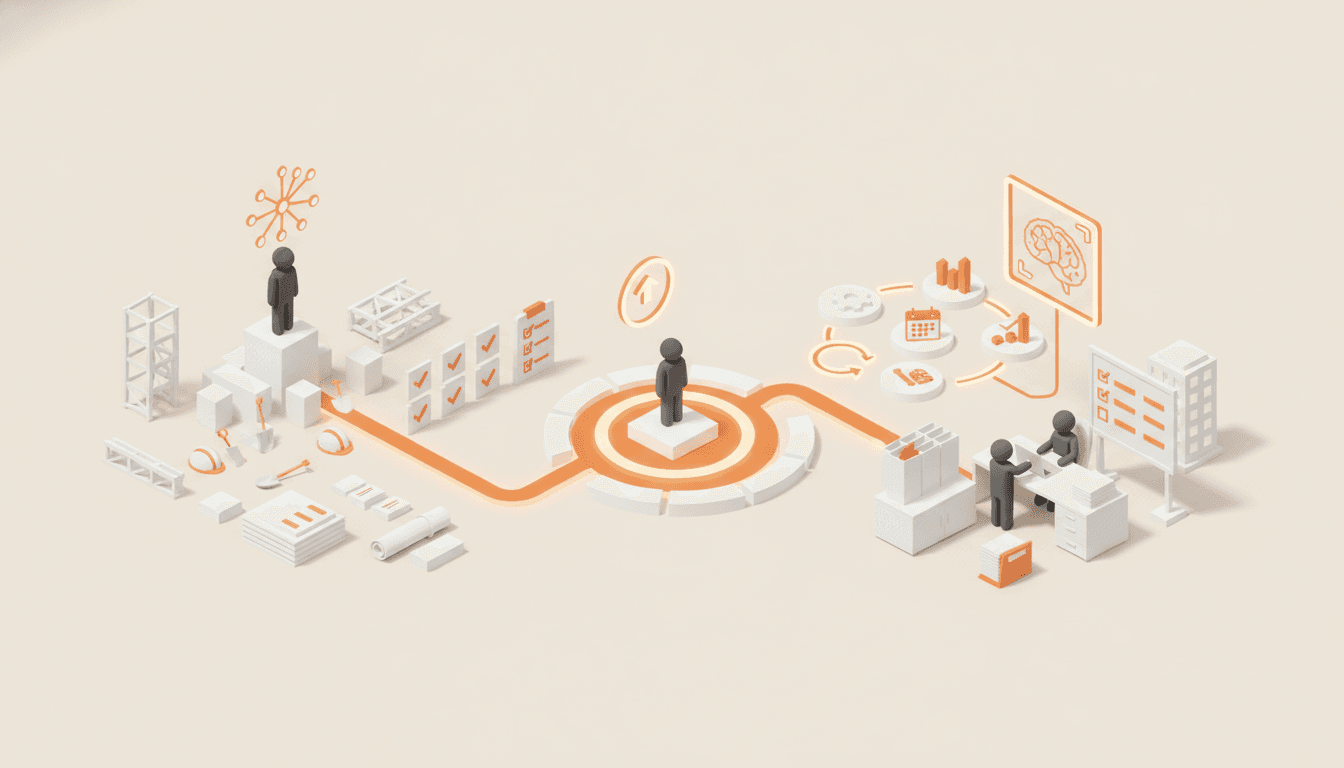
How to Systemize a Construction Business (One Role at a Time)
Construction knowledge lives on the jobsite, not in the office. Systemize one role at a time, from the first five SOPs to the monthly rhythm that keeps them alive.
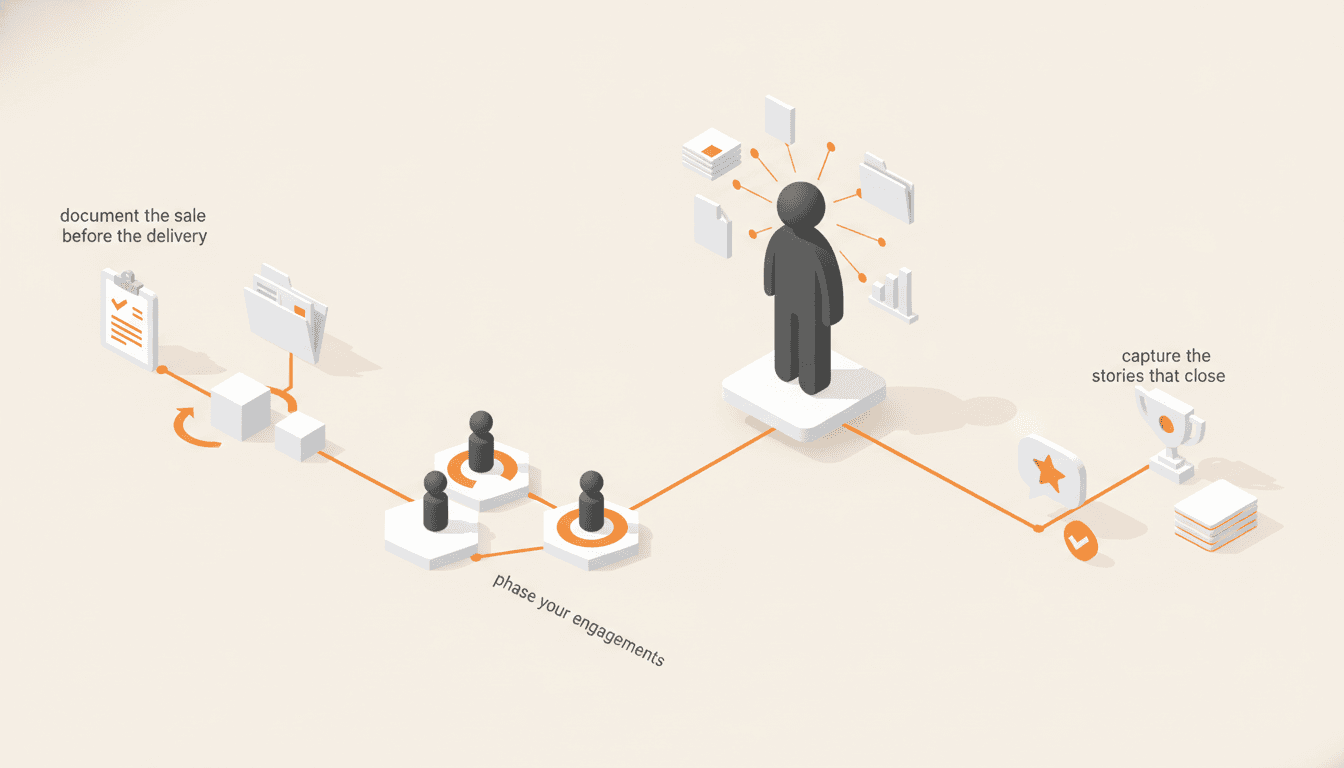
How to Systemize a Consulting Firm (When You Are the Product)
Consulting firms stay founder-dependent because the founder is the product. Here is the order that works: document the sale before the delivery, phase your engagements, and capture the stories that close.
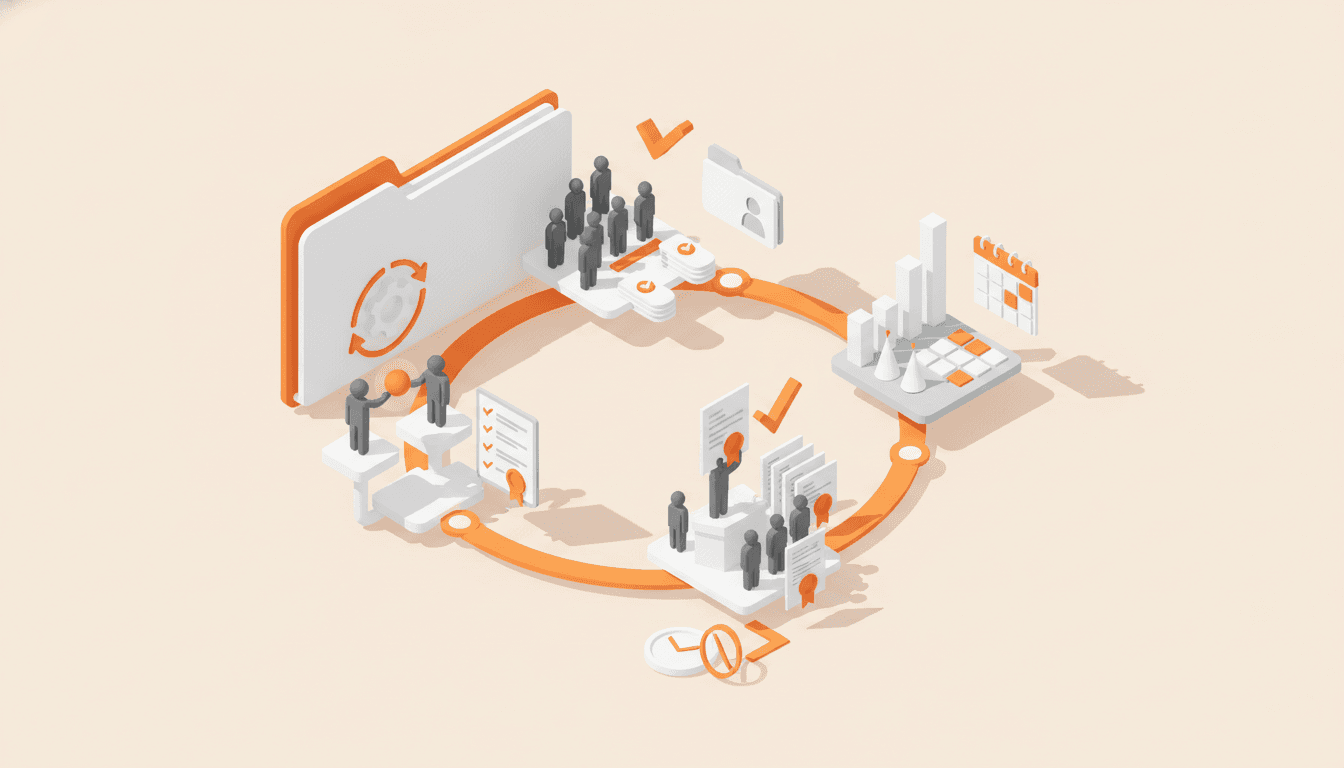
How to Systemize a Membership Association (When Officers Change Every Year)
An association repeats the same year forever while the people running it rotate out. Document the membership lifecycle, chapter events, certificates, and the officer handoff, in that order, and the calendar stops depending on memory.
Which processes should you write down first?
Rank the work that keeps your business running. You get the five to capture first and a 90-day order to capture them and get your team using them.