Process & Systems Fundamentals
What Is an Operations Manual? What Goes In One and What Does Not
By Derek Coffey · August 29, 2026
An operations manual is the single document that explains how your business runs: what each function owns, how the core processes work, and where the detail lives when somebody needs it. It is a map and an index, not a warehouse. The chapters sit up top; the screen-by-screen instructions sit in linked procedures underneath.
Get that split wrong and you get what one client called cognitive overload.
What is an operations manual?
An operations manual is a structured description of how a company operates, organized by function, written so a competent person can run the work without asking you. That is the whole definition; the rest is deciding where the detail goes.
Three things separate a manual from a pile of documents. It is organized the way the business works rather than the way the org chart is drawn, every chapter has one name on it, and it points to the depth instead of holding it.
That last one is what most companies miss. The manual is the top layer of your business process documentation, not a replacement for it, and it stops being readable the moment it absorbs every click of every task.
What belongs in one, section by section
Six chapters cover most businesses, each answering a question a new manager would otherwise bring to you.
- How the company makes money. Get work, do work, get paid, in one page, with the handoffs named.
- Who owns what. Functions and named responsibilities, not titles: a title tells you where somebody sits, a responsibility tells you who to call.
- The core processes. One short entry per process, each linking out to its own procedure.
- The decision rules. The forks where the right answer depends on context, and what the right call looks like.
- The standards. The quality bar, the safety rules, and the incident stories behind them.
- The systems of record. Which tool holds which truth, so nobody rebuilds a number in a spreadsheet.
The seventh thing most manuals forget is the operating rhythm: which meetings happen, which numbers get reviewed, and who runs them.
Every process entry in chapter three carries the three things we capture for any process: the purpose, the decision points where judgment is required, and the step-by-step. Decision points are the part that gets skipped, and where processes break. The steps have to come from the person doing the work, not the person managing it.
Chapter six is where a manual turns into an asset: deciding that one system holds the customer record and another the schedule is the first real move in knowledge management at small business scale.
What does not belong in it
The most expensive mistake we see is fusing three documents into one. A COO at a 55-person cleaning company wrote her process documentation, her training content, and her CRM how-tos as one combined document. Every time the vendor changed a screen the whole thing went stale, including the parts about how the business works.
A manual that documents your vendor's buttons is a manual your vendor gets to edit for you.
If a sentence would change when a software vendor ships an update, it belongs in a linked file, not in the manual. Screenshots, field names, and menu paths live one layer down, where a 10 minute fix never touches a chapter.
Three more things do not belong. Duplicates: the same COO ended up with three versions of one process and nobody able to tell which was current. Volatile numbers like prices, targets, and schedules, because a target that changes verbally in a meeting never changes in the document. And policy, which answers what is allowed rather than how the work gets done, belongs in the employee handbook.
Operations manual vs playbook vs SOP library
The three terms describe three altitudes, and mixing them is how documentation projects bloat.
| Operations manual | Playbook | SOP library | |
|---|---|---|---|
| What it answers | How the business runs | How we win at one thing | How to do this task |
| Who opens it | New manager, new owner | A team running a play | The person doing the work |
| Unit of content | Chapters | Plays | Procedures |
| Changes when | The structure changes | The approach changes | The steps change |
| Fails when | It swallows the procedures | It stays theory | Nobody can find it |
Read the bottom row first. Each fails differently, which is the reason to keep them apart: a manual that has absorbed 200 procedures stops being opened.
If you are choosing between them, playbook vs SOP vs operations manual goes deeper than this table does.
If your leadership team keeps saying playbook, settle what a business playbook is before you name the file. The same word means a strategy document at one company and a training library at another.
How long should an operations manual be?
There is no page count worth quoting. Use two tests: long enough that a new department head could run the function for a week without calling you, short enough that one person can read a chapter in 15 minutes and know whether it is still true.
If a chapter cannot be reviewed in 15 minutes, it is holding detail that belongs in a linked file.
Most owners worry about writing too much. The measurement says otherwise. When we studied 16 small businesses across 68 roles and 461 process areas, 27% of the work was documented on average and half the role areas had nothing at all. Almost nobody is over-documented.
Build it in chapters, gate the detail behind links
The design rule we use on every deliverable: high-level chapters up front, the overwhelming detail gated behind linked files, so the reader chooses to go into the extra detail instead of having it forced on them.
This is not a formatting preference. It answers the most common adoption objection there is: the material is too much for the team. When we roll out a platform we train only the primary functions and hide the depth one click away. Demo every field on day one and minds spin.
The same logic decides what a chapter opens with: what a person needs on day one at the top, what they need in month six behind a link. If you are assembling that lower layer, the sequence in how to build a business playbook is the one we follow.
The cost is real. Gated detail only works if somebody maintains the links; a chapter pointing at three dead files is worse than a bloated one.
Who writes it, and in what order
Not a committee. One subject matter expert per area working with one writer gets you a usable first 80%, then the team tears it apart and tunes it up. The people who correct your draft become the people who defend it.
Pick that expert for fit, not rank: somebody who has done the work a long time, still does it, can speak fluently about it, and wants to. Title does not equal expert.
Order the chapters by risk, not by the table of contents. Start where knowledge sits in the fewest heads and the most damage happens when something breaks. In a multi-market business, set the model in the market that is 70% of the revenue.
The first chapter to write is not chapter one, it is the one that hurts most when the person holding it leaves.
Budget your team's time at roughly 2 to 4 hours per process for interviews and review. Their job is to work while somebody records it.
How do you keep an operations manual from going stale?
Give every chapter an owner and a review date, and put a real date on the document. Ownership makes an update somebody's job instead of everybody's intention. Without it you get the pattern that cleaning company COO described: she would start a section, get pulled into operations, and never come back.
Underneath the manual, the procedures need their own discipline, which is where version control for your SOPs earns its keep: one live copy, one owner, one place old versions go.
The tell that a manual has died is not that it is wrong. It is that when you ask, you hear "we documented all this a few years ago, we just need to dust it off." Ask whether anybody is using them and the answer is usually silence.
One field services company paid five figures to have its operation documented and never opened it; the owner now calls unused documentation his worst nightmare. At The Systems Effect we build these manuals from recorded interviews with the people doing the work and keep them current month to month.
Start smaller than you think. This week write the table of contents and nothing else: six chapter names, one owner beside each, and a mark on the riskiest one.
Frequently Asked Questions
What is an operations manual?
An operations manual is the single document that explains how a company runs: what each function owns, how the core processes work, and where the detailed procedures live. It holds chapters and links, not every step of every task. The test is whether a competent new manager could run a department for a week from it alone.
What should an operations manual include?
Six chapters cover most businesses: how the company makes money, who owns what, the core processes, the decision rules at the forks, the standards and safety rules, and which system holds which record. Each process entry carries its purpose, its decision points, and a link out to the step-by-step. Add the operating rhythm, the meetings and numbers reviewed, and the manual is complete.
How is an operations manual different from a playbook?
An operations manual describes how the whole business runs and changes when the structure changes. A playbook covers how you execute one thing well, usually a function or a repeatable play, and changes when the approach changes. Underneath both sits the SOP library with the click-by-click detail, and keeping the three apart stops one vendor update from staling everything.
How long does it take to write an operations manual?
Plan it in processes, not pages. Your team's time runs about 2 to 4 hours per process for the interview and the review. A usable first version, the chapter list with owners plus the highest-risk processes, takes weeks; full coverage for a mid-size operation runs 6 to 12 months.
Does a small business need an operations manual?
If more than one person does the same job, or if the honest answer to "who could run this if you were gone for two weeks" is nobody, then yes. Size is not the trigger, concentration is. A 12-person company where three processes live in one head needs one more urgently than a 60-person company where every function has a backup.
Keep reading
What Is Standard Work? Turning Three Ways of Working Into One
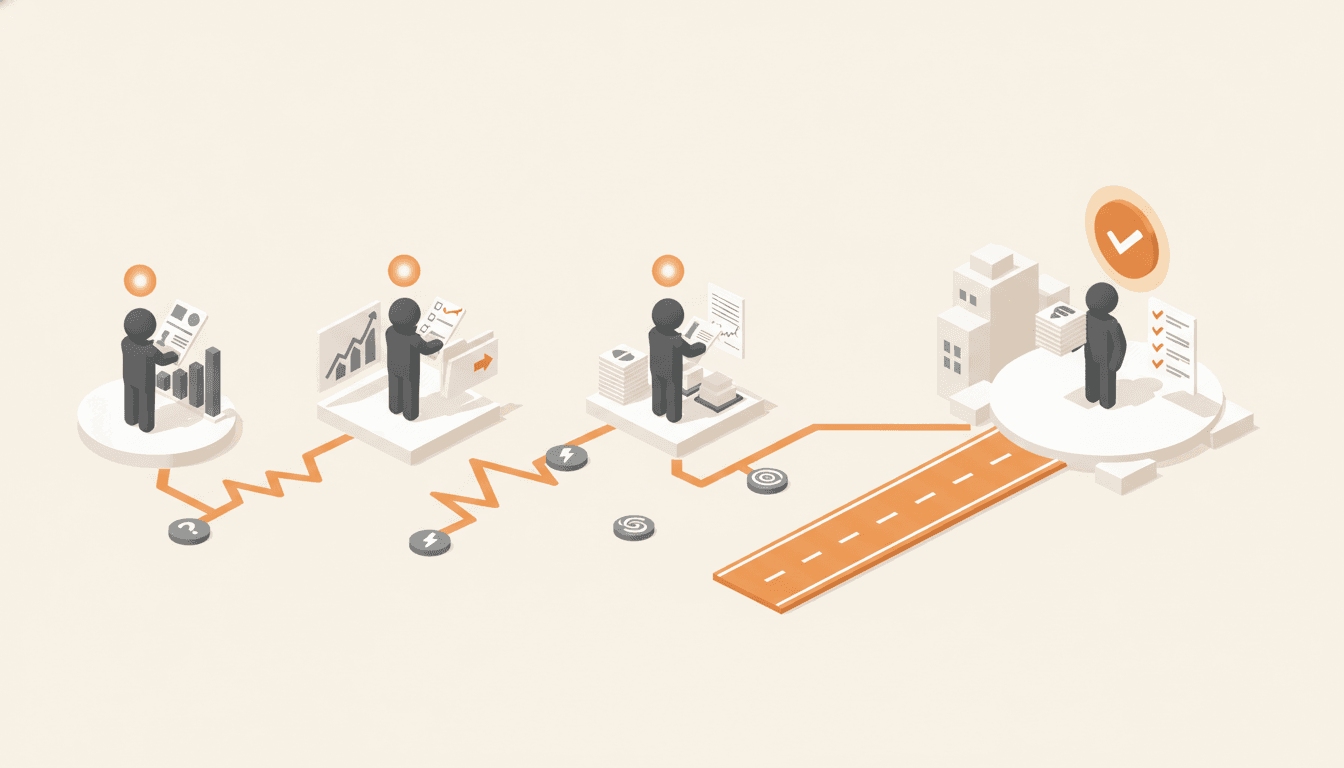
Three people run the same task three different ways and nobody in the building knows it. Standard work is how you turn those three versions into one everybody actually uses.

System Problem or People Problem? How to Tell the Difference
A system problem is built into the work itself, so it defeats any capable replacement. Use the substitution test to tell it from a people problem, because the fixes are opposite: you coach a person, you redesign a system.
Playbook vs SOP vs Operations Manual: The Difference
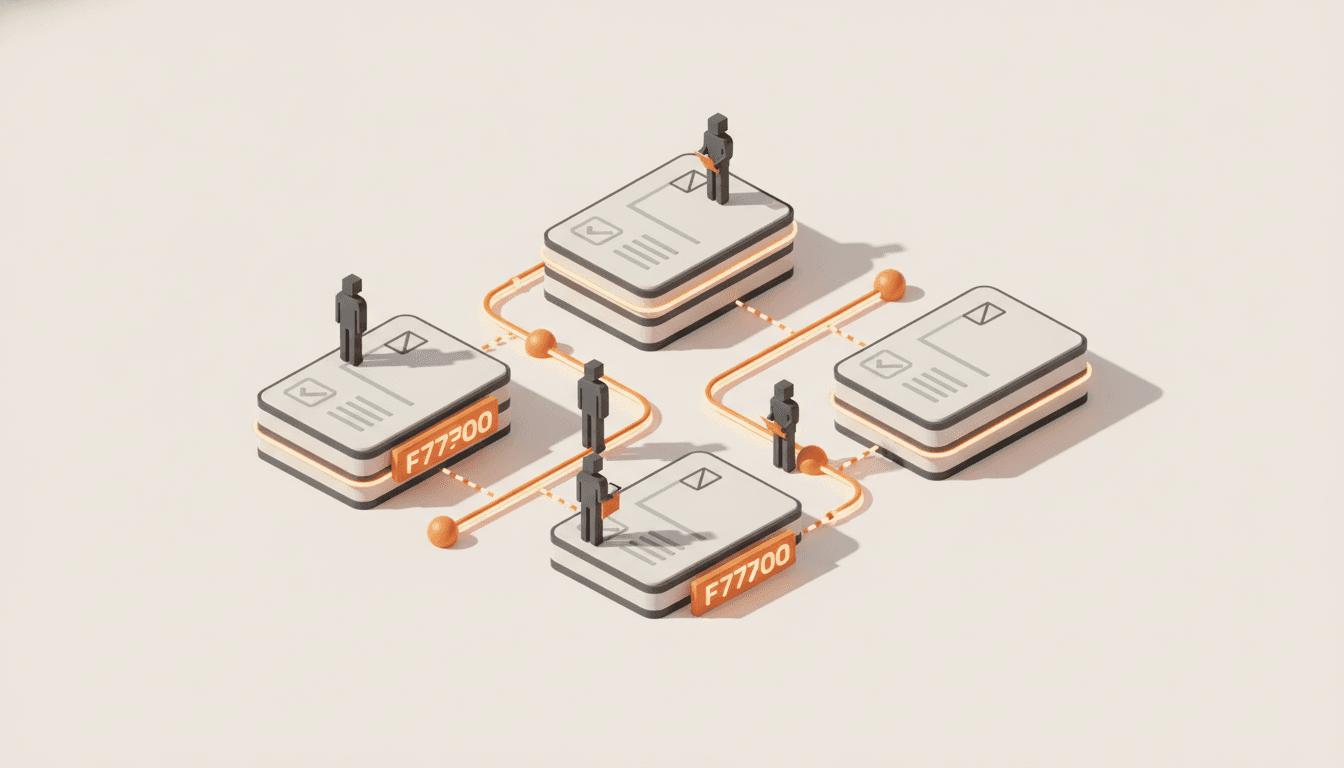
An SOP is one documented task, a playbook is the organized collection of plays for a role, and an operations manual is the full company reference; the labels matter less than whether the answer can be found and followed.
Which processes should you write down first?
Rank the work that keeps your business running. You get the five to capture first and a 90-day order to capture them and get your team using them.