Process & Systems Fundamentals
How to Systemize an Assisted Living Home (Across Three Shifts)
By Derek Coffey · August 29, 2026 · Updated August 30, 2026
To systemize an assisted living facility, start with the handful of processes that touch a resident every day, med pass, nurse call response, shift handoff and assessment, and put a catch on each one so a missed step gets noticed on the same shift it happened. The building already runs on routine. What it usually lacks is a written version of that routine that survives a call-out, a brand new caregiver, and the gap between 11pm and 7am.
Why an assisted living facility runs on whoever has been there longest
A small residential home might carry around 26 staff, 26 rooms and 20 residents, with a daytime ratio near five to one against roughly fifteen to one at large facilities. That ratio is the whole product. Families are paying for the fact that somebody notices.
In one home we looked at, the licensed nurse was on site about 16 hours a week, which meant she came two days and nothing clinical moved in between. Staffing minimums differ by state and by license type, so check what yours actually requires rather than assuming that pattern. Everything else, every day, is carried by the two or three people who have been there longest: the maintenance director who knows which breaker does what, the med tech lead who has run the cart the longest.
A home this size does not fail because nobody knows the job. It fails because only one person knows it.
The same concentration shows up in the office. Scheduling swallows the executive director's week: people call out, she hunts for cover, and when nobody picks up the shift she works it herself.
What SOPs does an assisted living home need first?
Write the daily ones first, then the ones that decide who gets in the door.
- Run the med pass. The highest-frequency, highest-consequence task in the building, including caregiver assignment.
- Answer the nurse call. Who responds, in what window, and what happens when the resident needs a two person assist.
- Hand off the shift. The one process that exists purely to move information, and the one most likely to be undocumented.
- Assess the resident. Physical and cognitive, in person, because that is your only real defense when a referral agency describes an incoming resident as healthier than they are.
- Turn the room over. Move-in day: two teams, one deadline, and a family watching.
The second tier is referral agency intake, tours and follow-up, care plan build, family paperwork and deposits, change-of-condition reviews, activities, dining, hiring and maintenance. Notice what is missing from tier one: nothing about marketing, nothing anyone would put on a strategic plan. The sequencing logic behind the first five SOPs every small business should document is the same here: frequency times consequence, and the daily stuff wins.
Build the catch, not another training session
Medication errors are the daily failure mode: wrong med to the wrong resident, wrong dosage, no checks and balances. The med tech gets pulled off the cart to give hands-on care, gets sidetracked, and steps get skipped. Design the med pass and the handoff against your state's licensing requirements first, since medication administration, documentation and shift reporting are all regulated; anything below is a layer on top of what your license already demands.
One owner's fix was not more training. It was a catch. A catch is a second person whose job on a task is to notice when the step did not happen.
If a med is missed, the med tech prints an exception report at the end of shift, and if that report is not printed, the nurse is accountable for asking whether it was. Every task gets a responsible person doing it and a second person accountable for noticing the miss. The owner's reason was blunt: she did not want people saying they did not know they were supposed to do that.
The cost is real. A catch adds a task to a full shift, so put one on the four or five processes that can hurt a resident and leave the rest alone, or staff will sign off without looking.
Ownership plus a catch beats ownership alone.
A procedure tells you the right order; a catch tells you what happens when the order breaks. Pair every daily process with a responsible person and someone accountable for noticing before you write another page.
Make the shift handoff a document, not a conversation
Three eight-hour shifts means information crosses a boundary twice a day, at speed, verbally, while somebody is putting a coat on. It does not survive.
We watched this play out with a new nurse call system. It was rolled out, only some people were trained, and not everyone knew how to use it properly. The information stopped at the edge of one shift.
The fix is to give the handoff fixed fields instead of a fixed length of time: changes of condition since the last handoff, any resident newly on a two person assist, medications missed and the exception report status, families expected on site. Your electronic medical record already holds the resident data; the handoff is a different artifact and needs its own form.
Floor staff will only fill it in if it fits in the pocket of the job, the same constraint behind field operations SOPs that survive the truck: short, one screen, answerable while standing up.
The key that was not in the key cabinet
A home had to replace its original fire alarm panel. The maintenance director was off that day. There is a metal cabinet with three doors, full of keys, exactly for this.
The key was not in it. It was on a blue lanyard, in the second drawer of the executive director's desk, on a ring with twenty other keys, identified by a small piece of clear tape. She said she would have never known, and named it herself: a single point of failure.
Every building has a key on a lanyard in somebody's desk, and you find out which one during the emergency.
The lesson is not to audit your keys once. It is that the physical knowledge of the building, panel locations, shutoffs, which vendor to call at 2am, lives in one head until somebody writes it down. It deserves the same treatment as any other safety SOP written before the fire rather than after it.
How do you write for two workforces at once?
Because you have two, in the same hallway. Half the staff may be older and genuinely resistant to learning anything on a computer; one long-tenured caregiver we heard about retired rather than learn a new system. Newer hires have no such problem, so every rollout lands on both populations at once.
People take the path of least resistance, so make the documented way the easiest path: short digestible chunks instead of a manual, a searchable answer layer, and a leader who treats it as a rally point rather than a compliance item. The mechanics of getting a team to actually follow SOPs matter more here than the writing does.
Then pick the format for the reader, not the author. Checklists and phone number sheets for the floor, role overviews for expectations, short videos for anything on a screen.
One home's documentation sat in word processor files nobody had opened in years. The request that forced the issue came from a brand new caregiver asking for a written checklist with phone numbers on it.
For the veteran half of the staff, use the approach in retraining long-tenured employees without pushback: document what they already do correctly first, so the first thing they see in writing is their own standard, not a correction.
Keep every asset small enough to swap. One long training built around one long process cannot be edited when the process changes, and it will change.
Start every role with the heart behind it
One owner bought the senior home her father lives in because she wanted to control the experience of his care. When we scoped the documentation, her structure request came straight out of that. Every role document should start with the heart behind the role, then what success looks like, then the nuts and bolts.
Use it. A caregiver checklist that opens with the steps reads as a task list. The same checklist that opens with why anyone works in this building, then what a good shift looks like, then the steps, reads as a standard. That framing costs two extra sentences per role.
Time the build around something real. If two new hires start the same Monday, that is the week to do the capture, because training is happening anyway and the documentation rides along. The Systems Effect does this work by interviewing the people on the floor and turning what they actually say into checklists, role sheets and short videos the next shift can use.
Start smaller than the list above: this week, ask your executive director to write down where every key lives, then open the cabinet and check whether it matches.
Frequently Asked Questions
What SOPs does an assisted living facility need?
Start with five: daily med pass and caregiver assignment, nurse call response, shift handoff, resident assessment, and move-in day with room turnover. Choose in that order because frequency times consequence beats importance, and skip the org chart and the marketing funnel until the daily five exist. After those: referral agency intake, tours and follow-up, care plan build, change-of-condition reviews, hiring and maintenance.
How do you pass information across three shifts?
Make the handoff a document with fixed fields rather than a verbal update with a fixed length. Give the form one owner on each side, the outgoing shift lead who fills it in and the incoming lead who signs it, so a skipped handoff has a name attached. Read it in the last five minutes of the outgoing shift, not the first five of the incoming one, while the person with the answers is still in the building. A verbal update delivered while somebody is putting on a coat does not survive.
How do you get older staff to use new documentation?
Make the documented way the easiest way, because people take the path of least resistance regardless of age. Short digestible chunks beat a manual, a searchable answer layer beats remembering where content lives, and a leader who makes it a rally point beats a compliance email. Document what long-tenured staff already do correctly before you document anything you want changed, so the first thing they read in writing is their own standard.
How do you prevent medication errors with a process instead of more training?
Build a catch rather than another training session. In one home, a missed med means the med tech prints an exception report at end of shift, and if that report is not printed, the nurse is accountable for asking whether it was. Training tells people the right order; a catch is what handles the shift where the med tech got pulled off the cart to give hands-on care and steps got skipped.
Keep reading
How to Systemize an Electrical Contracting Business (When Everything Runs Through You)
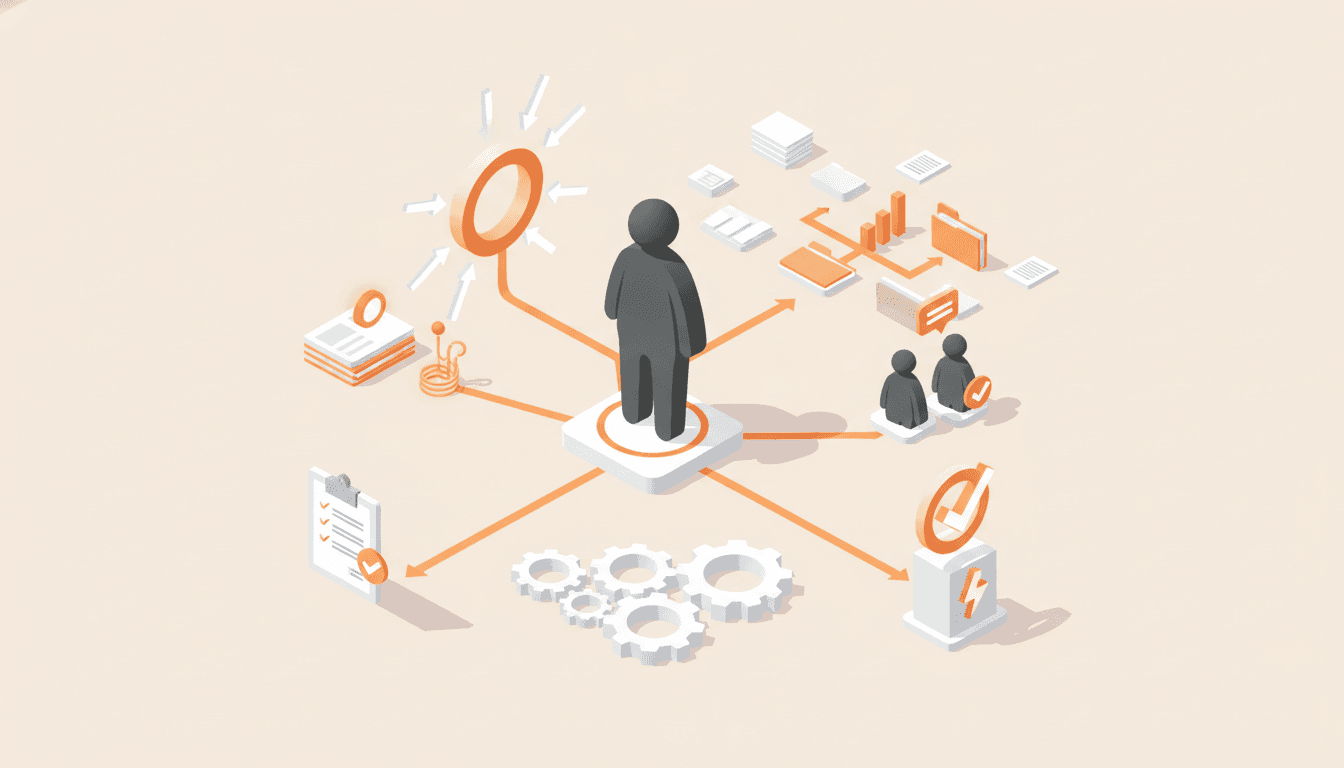
The bids, the material calls, the hard conversations: everything routes through you. Here is the sequence for moving an electrical contracting business out of your head and into systems your crews will actually run.
What Is an Operations Manual? What Goes In One and What Does Not
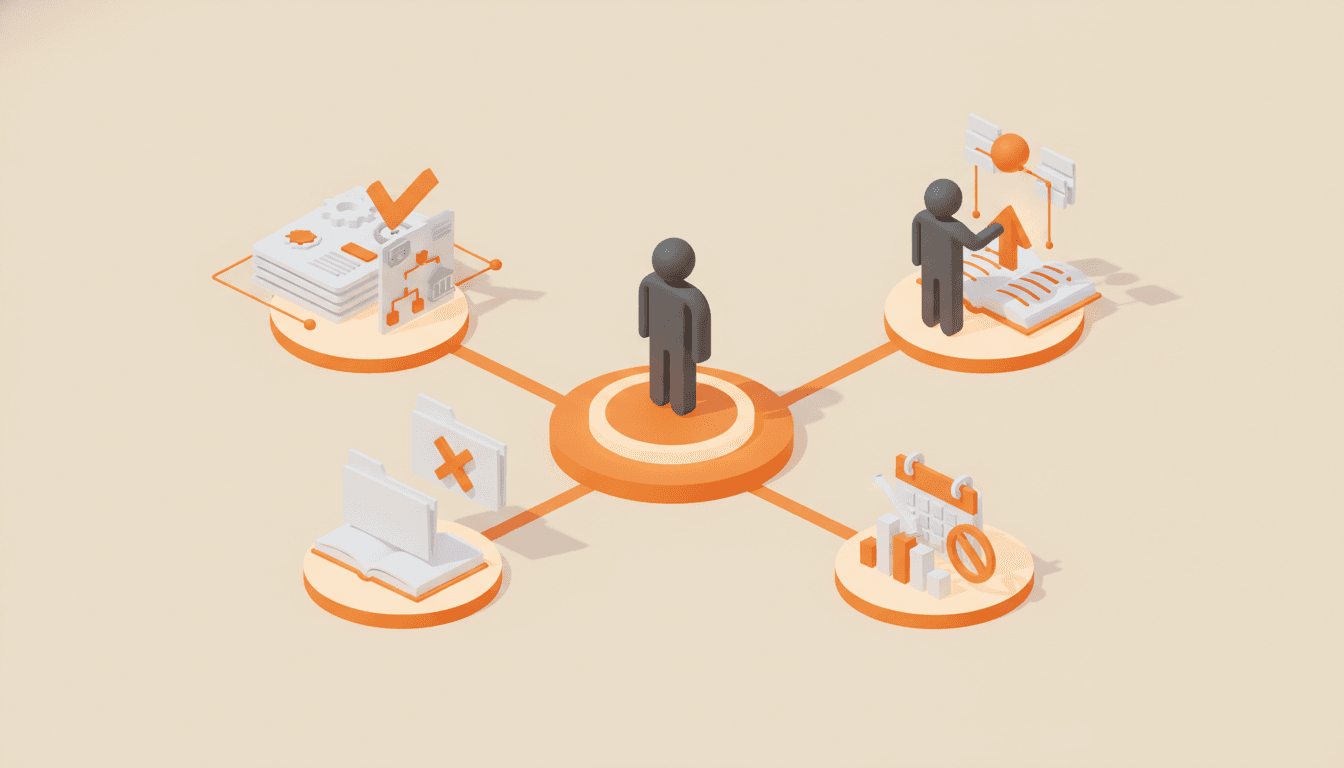
An operations manual is the one document that explains how your business runs. Here is what belongs in each chapter, what to keep out of it, and how to stop it from turning into a file nobody opens.
What Is Standard Work? Turning Three Ways of Working Into One
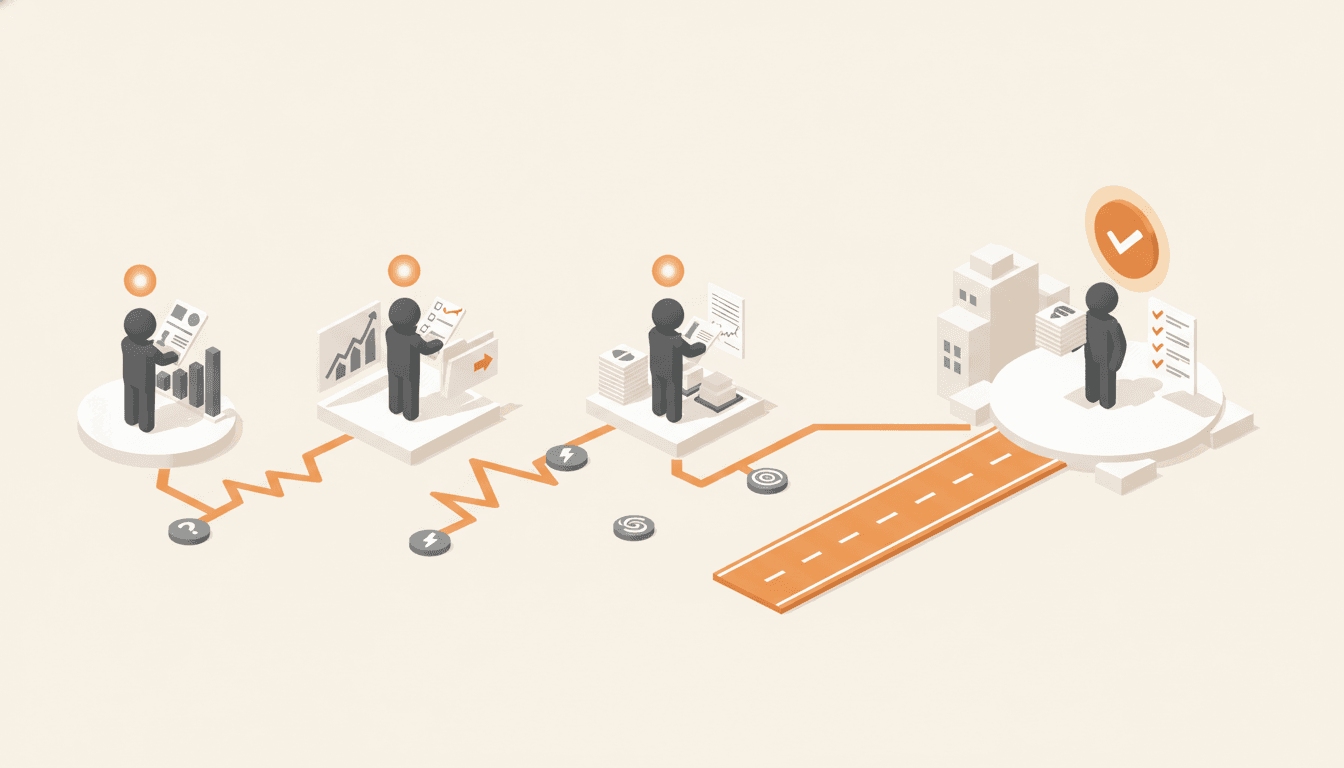
Three people run the same task three different ways and nobody in the building knows it. Standard work is how you turn those three versions into one everybody actually uses.
Which processes should you write down first?
Rank the work that keeps your business running. You get the five to capture first and a 90-day order to capture them and get your team using them.