Process & Systems Fundamentals
Continuous Improvement for Small Business: Keeping Systems Alive After the Project Ends
By Derek Coffey · August 29, 2026 · Updated October 6, 2026
Continuous improvement for small business is not a program, a belt color, or a quarterly offsite. It is one named owner per process, one hour a month on the calendar, and a rule that the document changes the same day the process does. Clients ask us this about three months into an engagement: how do we keep using this, improve it, and grow on it without being on a contract with you forever? That is the answer, and it holds because it is small enough to survive a busy week.
Land the Plane First, Then Bend It
Improvement is the second job, never the first. A coach working with an electrical contractor gave the owner the order in one line: land the plane, put it in the system, then bend it, break it, improve it. Owners get this backwards, holding a process in draft for months because it is not perfect yet. A draft improves nothing, because nobody is running it.
Build the first version with one person who knows the work, not a committee, and ship it at about 80 percent. Then let the team tear it apart. The people who correct a document become the people who defend it, which is why the improvement stage doubles as the adoption stage. Nothing gets improved until it has been run as written at least once.
A process you have never run as written is not a process, it is a proposal.
Two things are worth perfecting before rollout: your core values and the operating model everything else hangs off. Half-finished versions of those become dead words on a wall.
Who Owns the Improvement? Put a Name on It
One person, by name, per process. Not the leadership team, not operations, not everyone.
The COO of a 55-person cleaning company was blunt about why her playbook had gone bloated: she starts one document, gets pulled into operations, starts another, and never makes them cohesive. Three versions of one process, nobody able to find anything, what she called cognitive overload. Her company cleans 85 homes a day. The improvement job had no owner and no hour, so it lost every collision with the day.
Pick that owner the way you pick the person to build the first draft: someone who wants to participate, will schedule the time, has influence with peers, and sets a good example. Title is a weak predictor. One name per process is the smallest working version of a process-based culture, because ownership makes process feel like the job instead of paperwork about it.
Every documented process carries one owner's name and one review date, visible on the document itself.
Continuous Improvement for a Small Business Costs About an Hour a Month
One hour, monthly, on the calendar, with the process owners in the room. That is the whole program. Here is the agenda that keeps it from becoming a status meeting.
- Run the three Cs. Capacity, commitments, clarity, borrowed from a public utility nonprofit that documented its departments in waves. Ask each owner what capacity they have this month, what they committed to last month, and what is still unclear.
- Read the frustration list. Everything the team flagged since the last hour, in their words, unedited.
- Pick one process. One. A month that fixes one process beats a quarter that reorganizes twelve.
- Do the time math. Minutes per step, times frequency, times headcount. At a field services company of about 70 people, two to four minutes off a daily step decides whether a change pays for itself in 90 days or a year.
- Assign it with a date. One name, one deadline, reviewed at the top of next month's hour.
Four of those five steps are decisions, not work. The hour picks and assigns the improvement; the doing happens afterward, by the person who does the job anyway. Each month's pick runs through the same four improvement stages: document it, diagnose it, improve it, then solve what is left.
Where Improvement Ideas Come From: The People Running the Steps
They come from the people running the steps, and almost never from the leadership team.
We open every interview with the same frame: how could this be done better, how do we avoid issues, what frustrates you. We close with the question that produces the best material of the session: what frustrations have you noticed, things out of your control, other people being inconsistent. Frustration is data. One ops manager handed over his whole improvement backlog in a sentence: the biggest friction is manual work, and manual work is where steps get forgotten.
The cost of not asking is real money. An owner covered payables for a few weeks after a key employee left and found 500 to 800 dollars leaking weekly from skipped audits and missed deductions. His math on the call: up to 10,000 dollars a month, not from theft, but from a process nobody followed.
When the same step turns up in three people's frustrations, you are looking at a constraint rather than an idea, and the move is to find the bottleneck in your business before optimizing around it. Treat every frustration as a defect report, not a complaint.
Run a Retro After Every Wave, Not Once a Year
A retro is a short meeting, 30 to 45 minutes, held right after a batch of documentation closes, where the people who did the work say what worked, what dragged, and what changes next time.
Waves make this possible. A public utility nonprofit ran its SOP work department by department and closed each wave with a retro, the rhythm behind documenting a nonprofit in waves. The retro on its biggest department surfaced a win nobody planned: colleagues learned mid-session that they had each been running the same process differently, and one documented way came out of it.
Retros tune the method, not just the process. The honest question from that wave was whether the group had been too big, too many opinions in one room, and the answer changed how the next wave ran. Hold the retro while the wave is still warm.
Change the Document the Same Day You Change the Process
Same day, or it will not happen. Skip it once and the change lives only in conversation, the document keeps describing the old way, and within two months nobody trusts the library.
Make the edit cheap and it will get made. That means separating the process from the software how-to, which is where one cleaning company got burned: process, training, and CRM instructions sat in one document, so every time the vendor moved a button the whole thing went stale. Split them and a screen change costs a paragraph, not a rewrite, which is the work behind keeping procedures current as tools change.
The gap between changing a process and changing its document is where every dead SOP library starts.
Stamp every document with a last-updated date. A library sorted by that date tells you in ten seconds which parts of the business are still alive.
How Do You Keep Improving Without Outside Help?
You keep improving without outside help by running four things yourselves: the monthly hour, the frustration list, a retro after each wave, and same-day document edits. None of them needs an outsider.
Some work still earns outside help. Documenting a department from zero, capturing a key person who gave three weeks notice, and running a first wave before anyone knows what good looks like do not fit inside a normal week. The Systems Effect works month to month with no contracts for that reason: the maintenance is meant to become yours.
The test is a question our consultants ask before an engagement ends: how confident are you that these teams will actually maintain and run the workflows after you leave? If the answer is not obviously yes, the handover is incomplete, and the missing piece is almost never more documentation. It is who, and when, which is the honest answer to why SOPs collect dust.
The Three Signs the System Is Dying
Three signals show up long before anybody says out loud that the systems have gone stale.
| Sign | What you see | What it means |
|---|---|---|
| Nothing changes | No edits in 90 days | Nobody owns it |
| People ask a person | Questions route to one desk | The document lost the race |
| Versions multiply | Three files, one process | No single source of truth |
None of these show up on a P and L, which is why they run for years. One company paid five figures to document its whole operation in a platform the team never opened, and the owner called unused work his worst nightmare.
If two are true, stop improving and run a process audit checklist that separates accurate documents from fiction. Then pick the process people interrupted you about most this month, put a name and a review date on it, and book the hour.
Frequently Asked Questions
How do you keep processes from going stale?
Give every process one named owner and one review date, then change the document the same day the process changes. A monthly hour where owners report capacity, commitments, and clarity catches drift while it is cheap to fix. Keep process steps separate from software how-to steps, because documents rot fastest when editing them is expensive.
Who should own continuous improvement in a small business?
One person per process, by name, never a department and never the leadership team as a group. Pick someone who does the work, wants to participate, will schedule the time, and has influence with peers. Somebody senior should own the monthly hour itself, so the meeting survives a loud week.
How often should you review your SOPs?
Review the process list as a whole once a month, in about an hour, and review any single document the moment the process it describes changes. Documents do not each need a monthly read; the hour picks one process to improve. Run a full audit once a year, or whenever a tool, a rule, or a role changes.
How do you keep systems running after a consultant leaves?
Hand over the rhythm, not just the files. Before the engagement ends you need a named owner for each process, a standing monthly hour, a place where frustrations get collected, and a rule that documents change the same day processes do. If nobody can say who runs the review and when, the handover is incomplete.
What is a process retro?
A process retro is a 30 to 45 minute meeting held right after a batch of documentation closes, where the people who did the work say what worked, what dragged, and what should change next time. Run one after every wave rather than once a year. Retros catch method problems the documents never reveal, like a group that was too big.
Keep reading
How to Find the Bottleneck in Your Business (Before You Hire Around It)
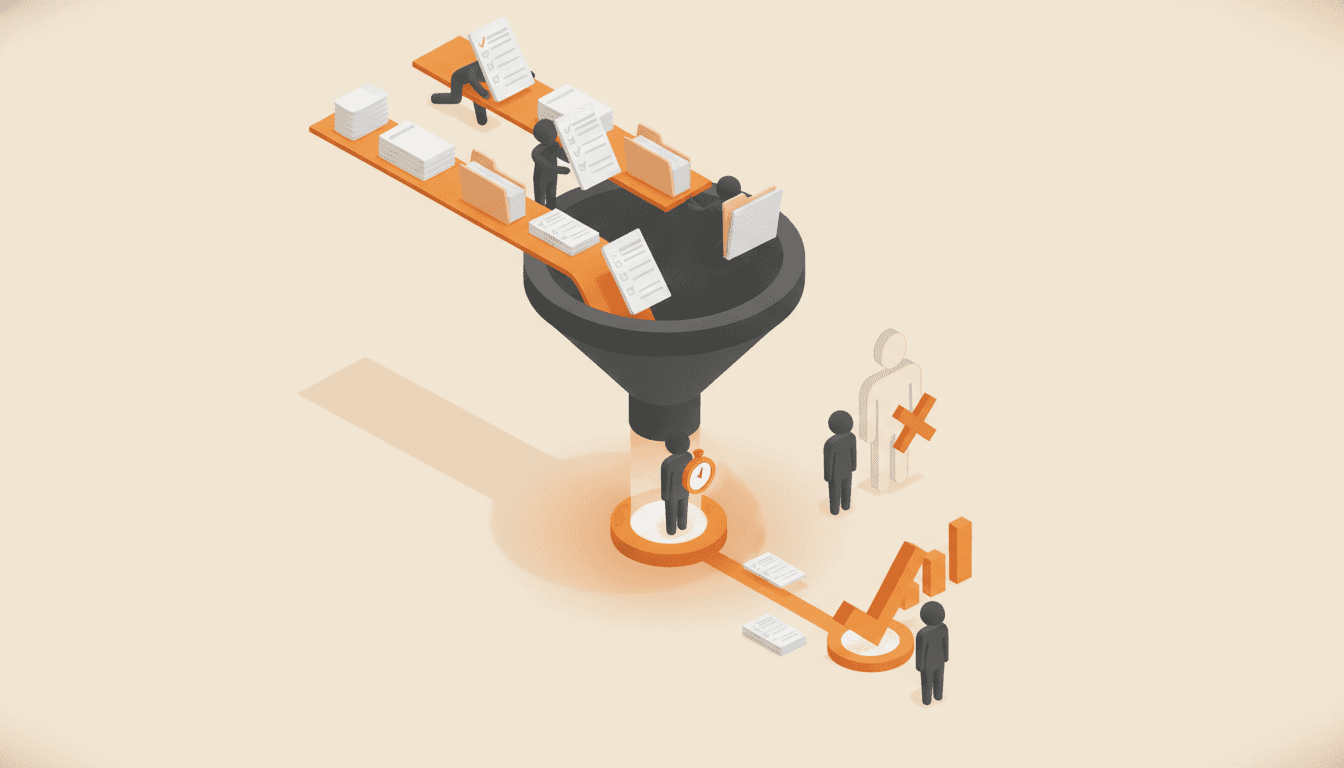
A bottleneck is the one step that sets the pace for everything after it. Here is how to locate yours with a stopwatch instead of a hiring req, and why the fix is almost never another person.

How to Systemize an Inbound Call Center (Booking, Scripts, and Escalations)
Call centers drift because nobody ever named the call types. Here is the order that fixes it: map the calls, write booking rules, define escalations, then score real recordings against a rubric.

How to Systemize a Cleaning Business (Without Bloating the Playbook)
Most established cleaning companies do not need more documentation. They need less of it, organized better, rebuilt one playbook at a time.
Which processes should you write down first?
Rank the work that keeps your business running. You get the five to capture first and a 90-day order to capture them and get your team using them.